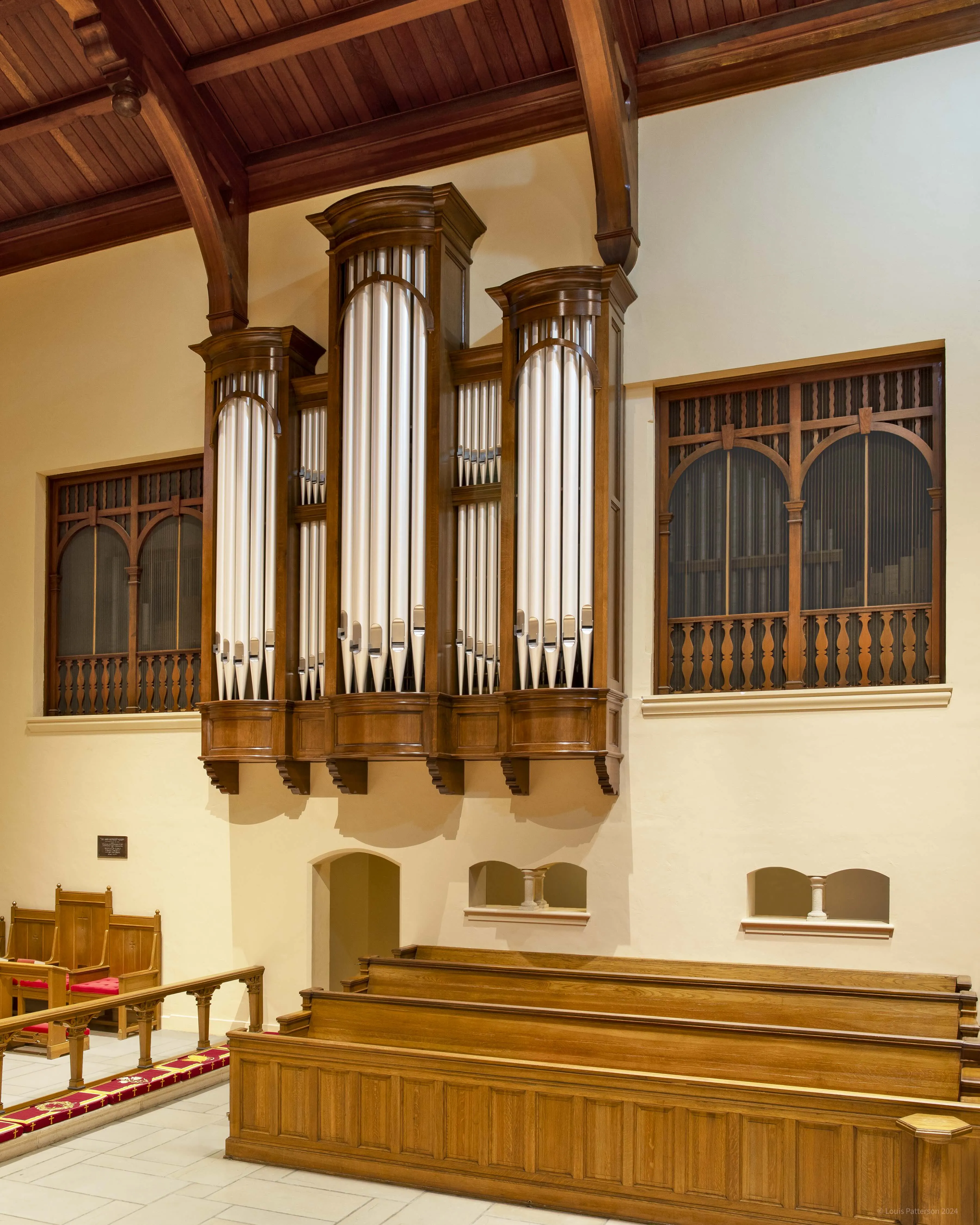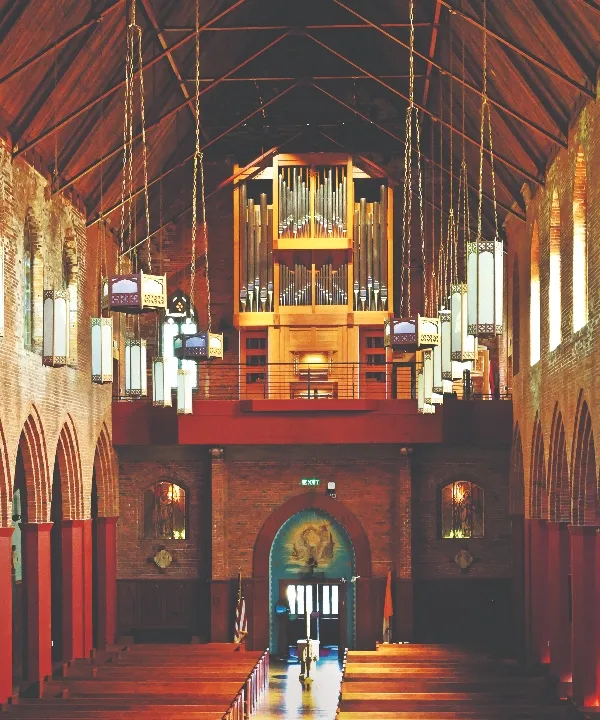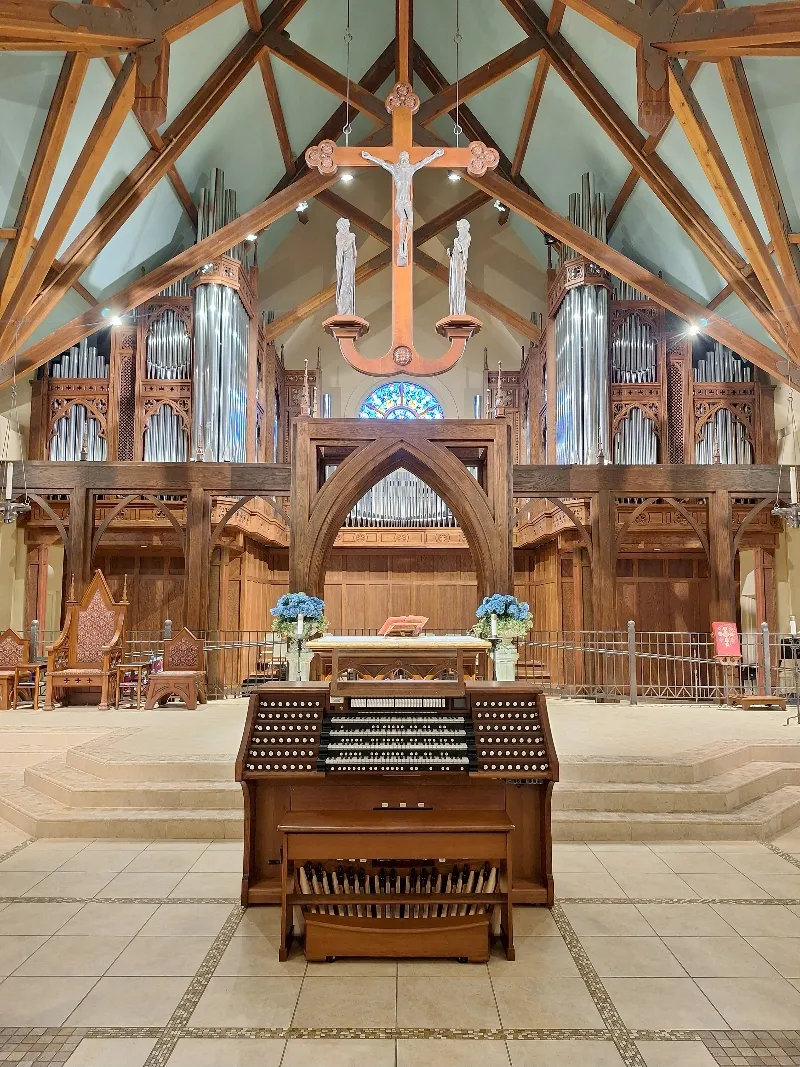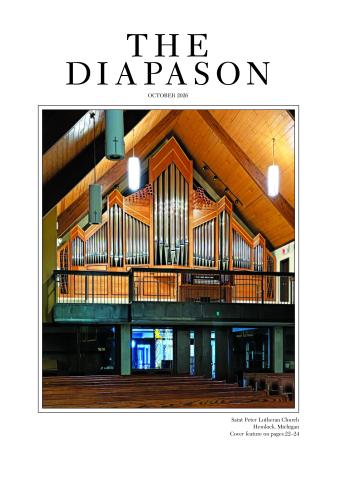
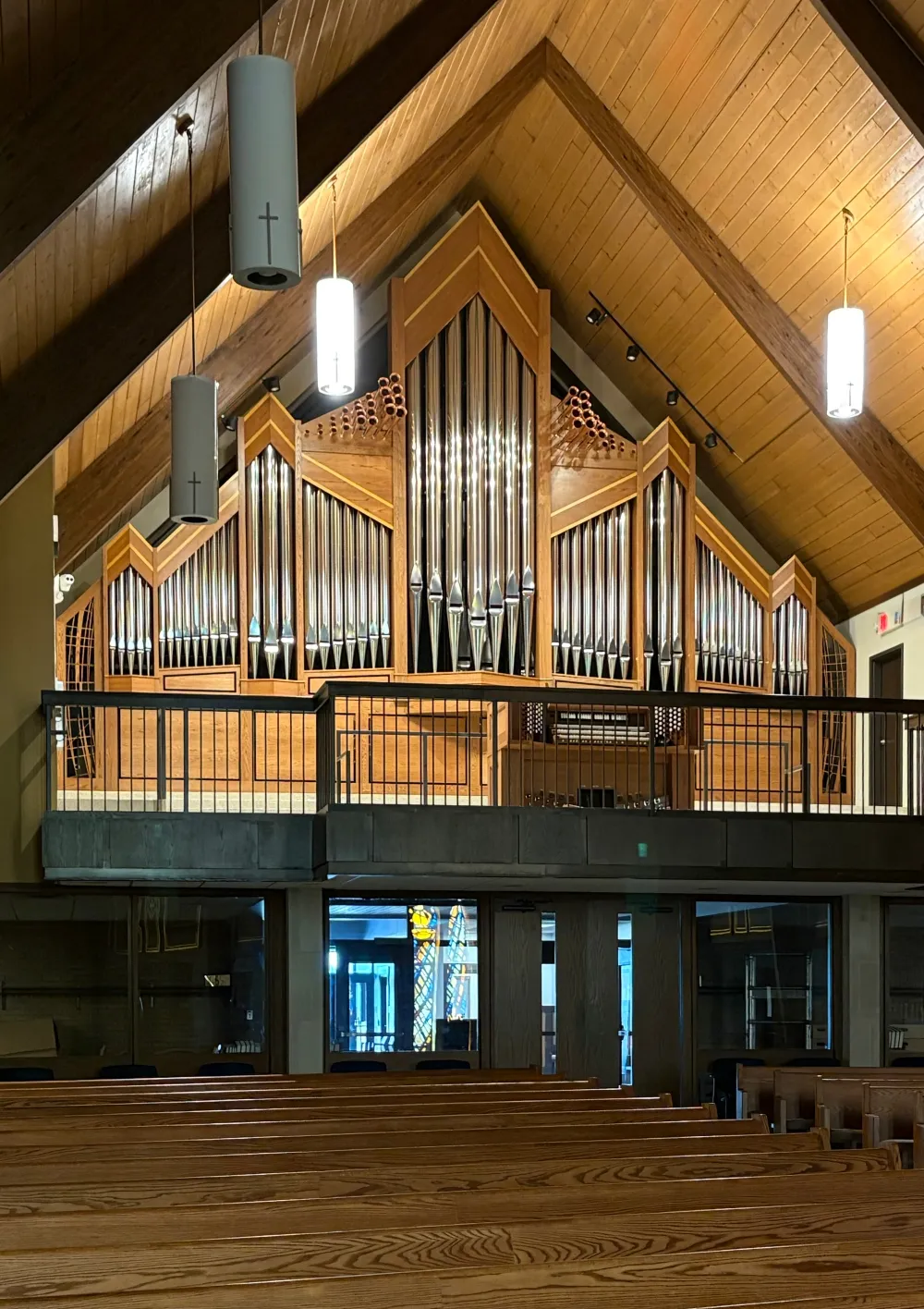
Cover feature: Juget-Sinclair Opus 56
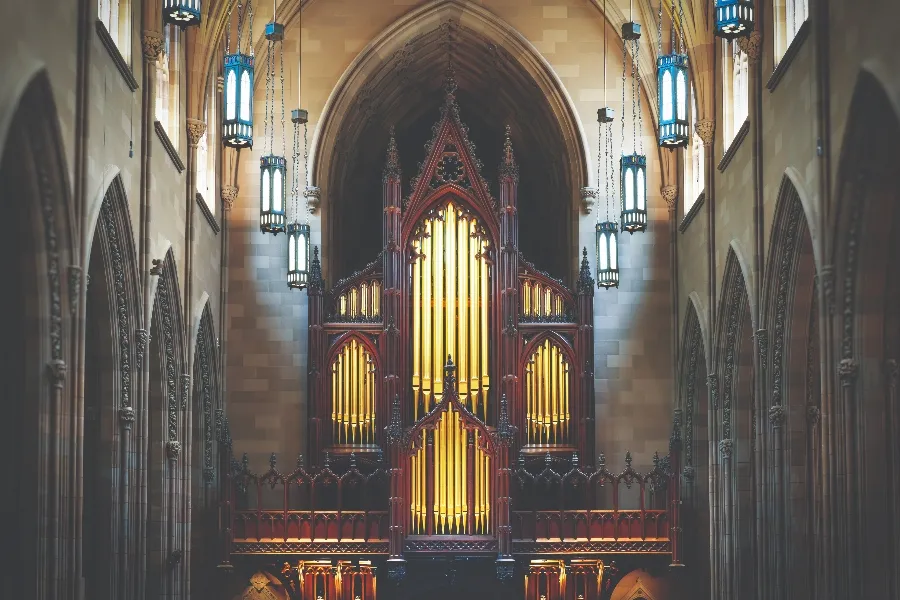
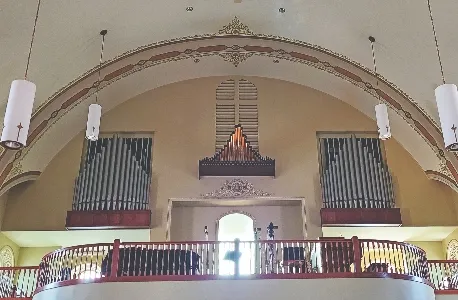
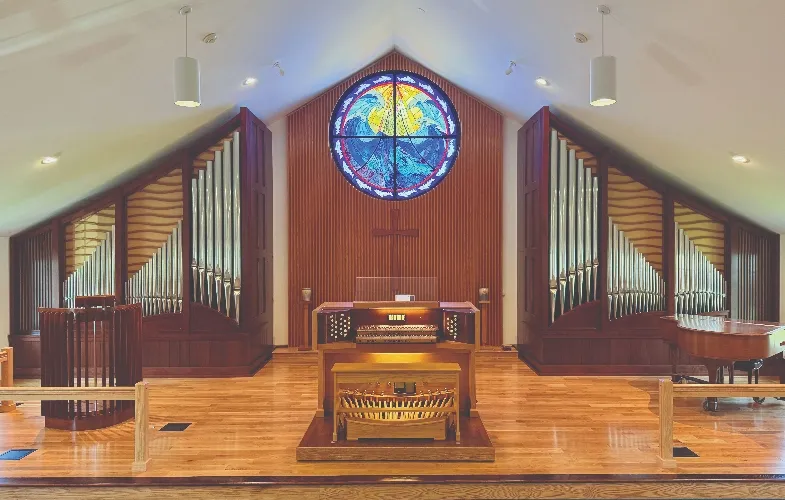
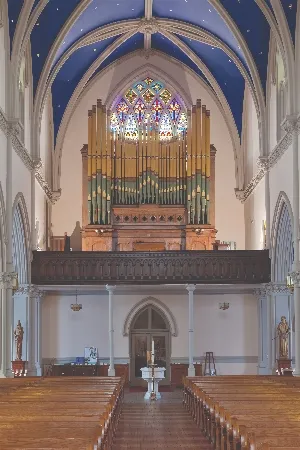
Juget-Sinclair Organbuilders, Montréal (Québec), Canada; Cathedral of Saint Joseph, Sioux Falls, South Dakota
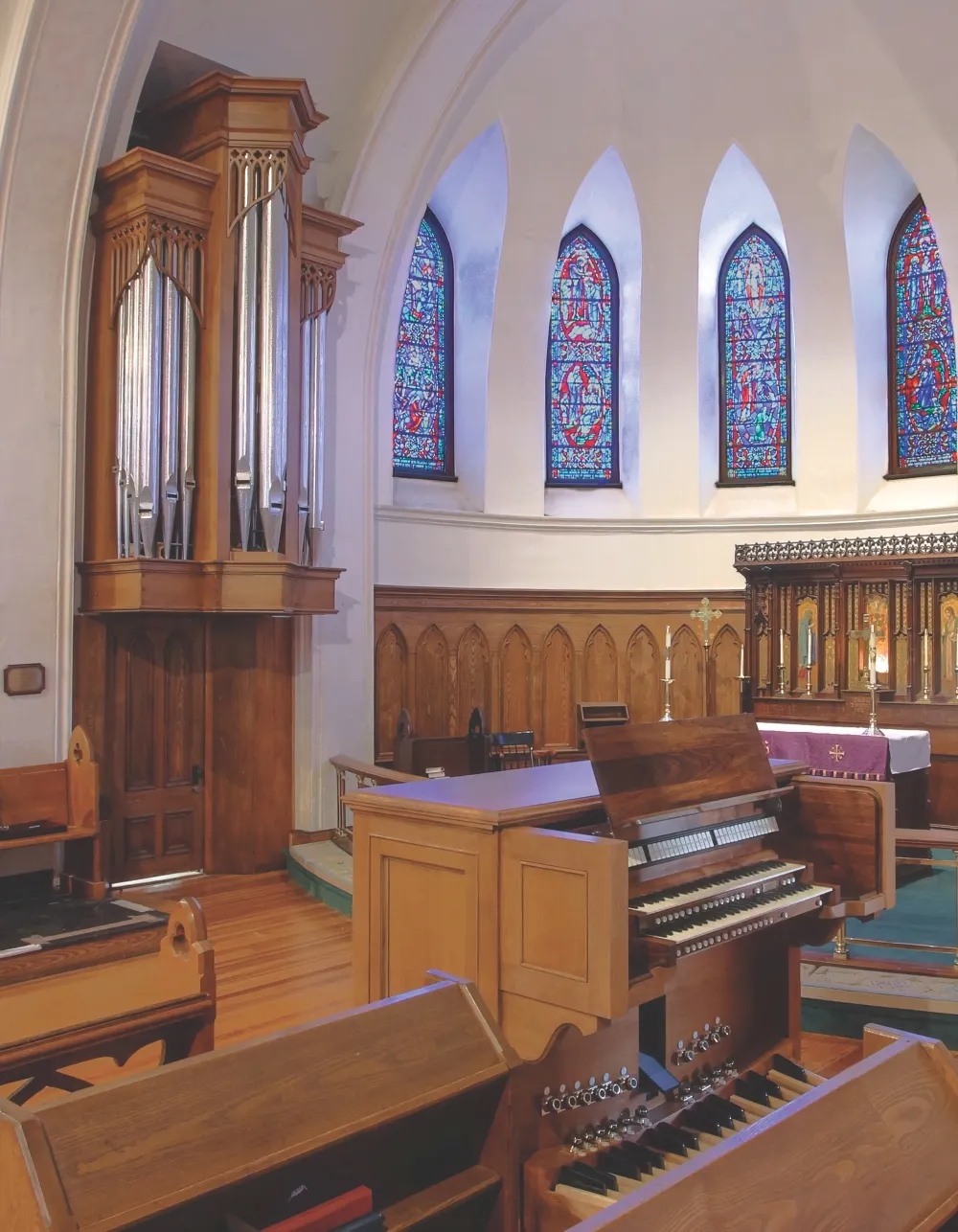
Létourneau Pipe Organs, Saint-Hyacinthe, Québec, Canada; Saint Charles Avenue; Presbyterian Church, New Orleans, Louisiana
When the sanctuary at Saint Charles Avenue Presbyterian Church opened on February 2, 1930, it was filled with the sounds of a 16-rank, three-manual Austin pipe organ from two shallow chambers in the chancel. That instrument was replaced in 1980 with another Austin offering 27 ranks from a functional case in the church gallery and a further six ranks enclosed in a chancel division in the gospel-side chamber. Each instrument served its era, though their sizes and dispositions were, each in their own way, limiting.
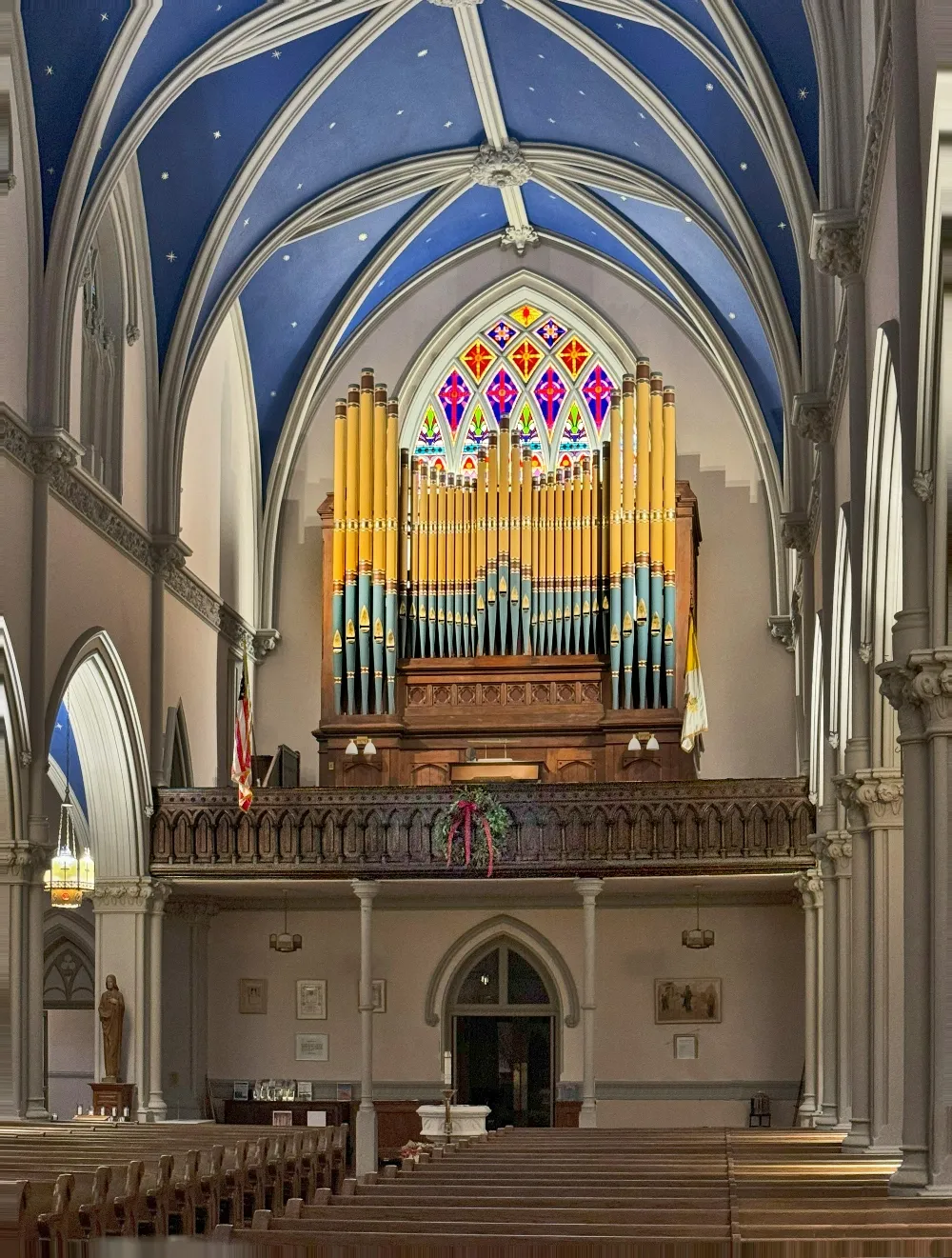
Wallace & Co. Pipe Organ Builders, Gorham, Maine; Saint Joseph’s on Capitol Hill, Washington, D.C.
Over nearly fifty years in operation, Wallace & Co. Pipe Organ Builders of Gorham, Maine, has had the pleasure of being involved with the restoration of dozens of organs by the Hook brothers. This includes restoring and relocating E. & G. G. Hook Opus 173 to the small town of Boom, Belgium, as well as renovating Hook & Hastings Opus 1573 for the Eastman School of Music. In recent years we have spent time getting to know the “stock model” instruments of the 1880s and 1890s, with a focus towards the documentation of pipework and mechanical systems.
Glatter-Götz Orgelbau, Pfullendorf/Aach-Linz, Germany, Rosales Organ Builders,
Whittier, California; Trinity Church, New York City
Lewtak Pipe Organ Builders, Mocksville, North Carolina
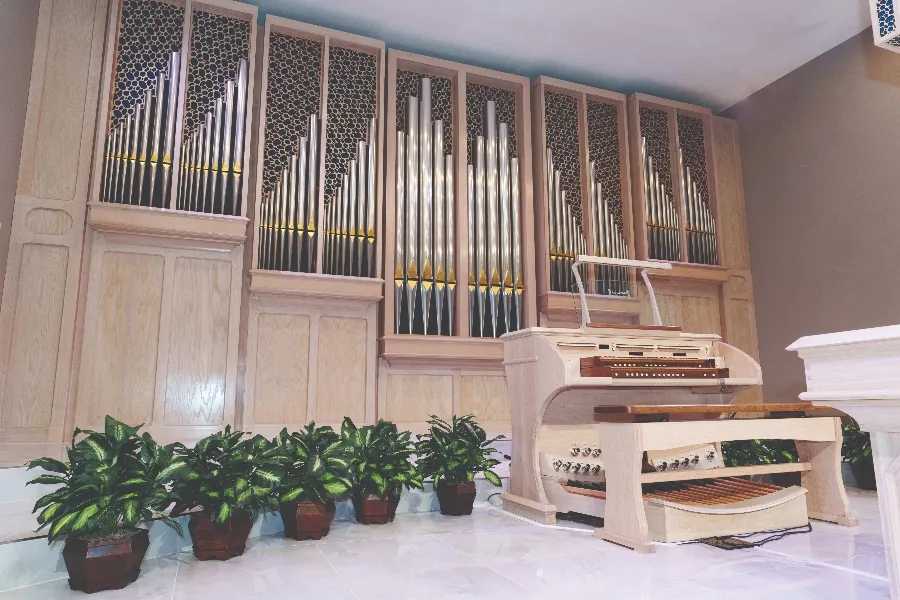
Chapel by the Sea, Clearwater, Florida
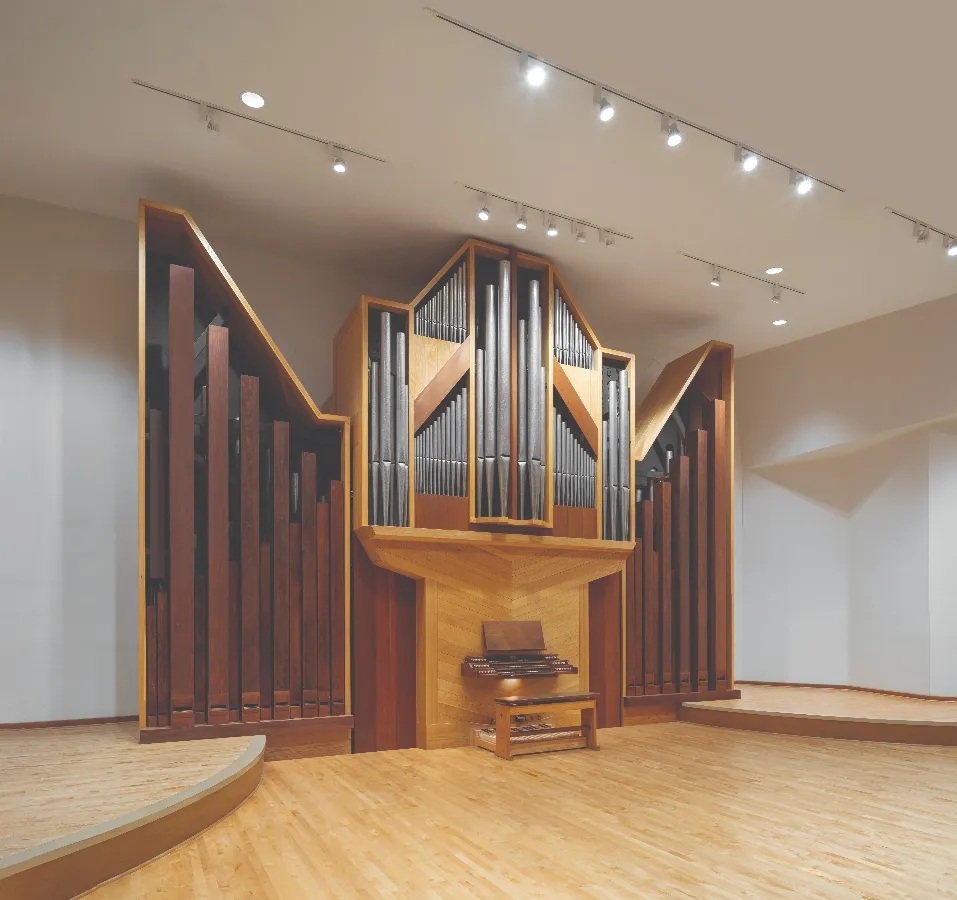
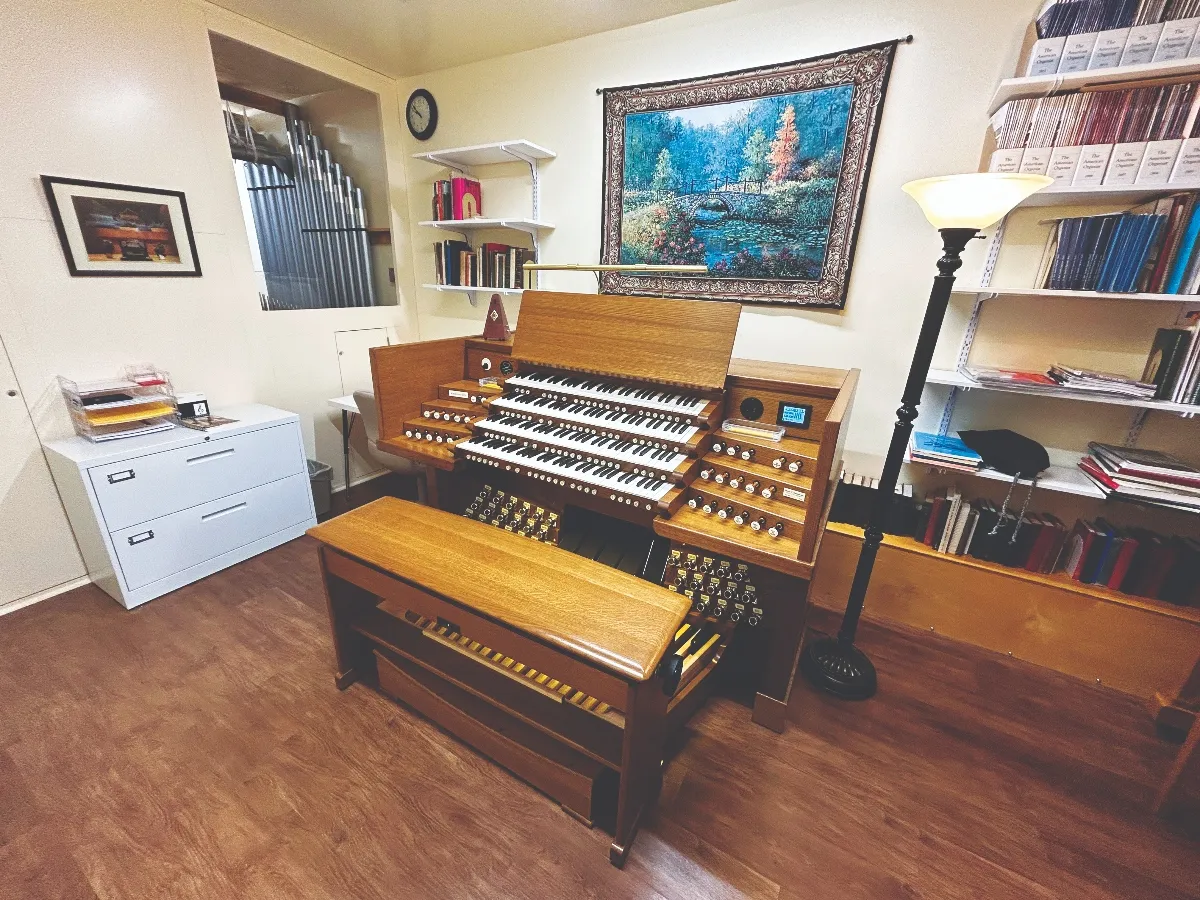
C. B. Fisk Opus 75; University of North Carolina School of the Arts, Winston-Salem, North Carolina
C. B. Fisk Opus 75 was originally built in 1976, concurrent with the extensive renovation of Crawford Hall at what was then the North Carolina School of the Arts. Letters and notes in our “completed work” files and architectural drawings in the shop archives show that thoughtful consideration of many aspects of the hall had taken place, especially regarding acoustics, the shape of the stage, and the type of seating.
The merging of old and new
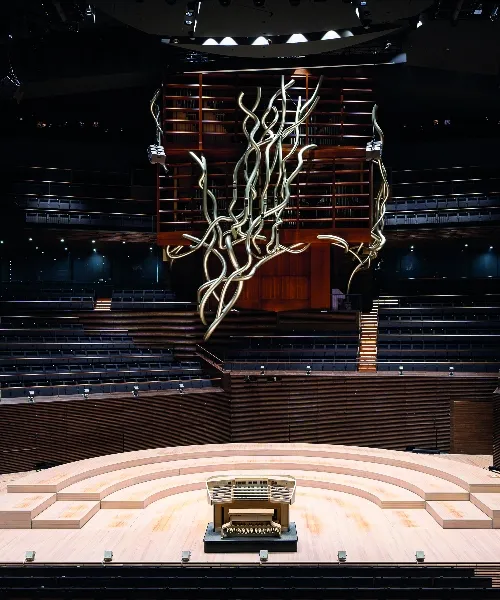
Rieger-Orgelbau GmbH, Schwarzach, Austria; Musiikkitalo, Helsinki, Finland
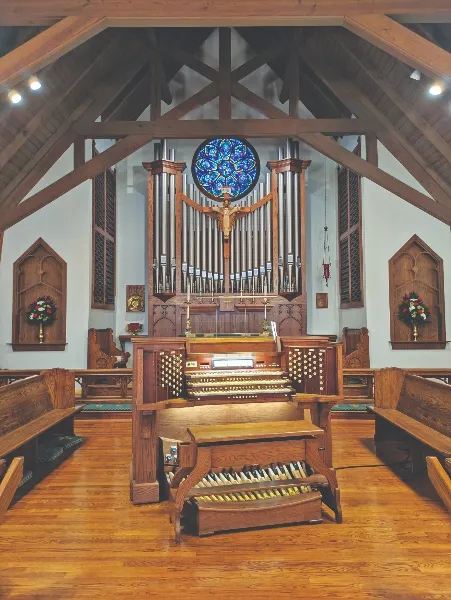
Kegg Pipe Organ Builders, Hartville, Ohio; Saint Andrew’s Episcopal Church, Houston, Texas
Schoenstein & Co., Benicia, California; Brigham Young University–Idaho, Rexburg, Idaho
Schoenstein & Co., Benicia, California; Church of the Good Shepherd, Corpus Christi, Texas
When listening to one of the old Hollywood soundtracks, our ears instantly recognize hallmarks of the era. There are the singing melodies, the rich orchestrations, and the ingenious musical devices. (To say nothing of the fantastic playing.) We remember the great film songwriters and composers, and our modern minds often forget the many talented orchestrators responsible for two of the three hallmarks listed above.
Bigelow & Co. Organ Builders, American Fork, Utah; The Church of the Blessed Sacrament, Seattle, Washington
A. E. Schlueter Pipe Organ Company, Lithonia, Georgia; Our Lady of the Assumption Catholic Church, Brookhaven, Georgia
When the new facility was built for Our Lady of the Assumption Catholic Church in Brookhaven, Georgia, it was planned that a pipe organ would be installed. Knowing that they wanted a pipe organ, they included space in the building design for an instrument. Unfortunately, due to budgetary constraints this dream would be shelved and unrealized for over twenty-five years.
J. F. Nordlie Company, Sioux Falls, South Dakota; Saint Charles Borromeo Seminary, Ambler, Pennsylvania, Opus 15
In February of 2023 I received a message from the Very Reverend Ward Simpson, dean of Calvary Episcopal Cathedral of Sioux Falls, on behalf of the Episcopal Diocese of South Dakota. He mentioned a Nordlie pipe organ in Sioux Falls at the Church of the Holy Apostles, that the building and property were to be sold, and wondered whether we could help him find a home for the organ.
Foley-Baker, Inc., Tolland, Connecticut; Saint Peter’s Lutheran Church, Harwich, Massachusetts
Moving organs to a different location is becoming more than an occasional happening. There are some nice instruments out there looking for homes, and like other firms, we too are getting calls about moving an instrument. Over our nearly sixty years in business, we have tackled a number of pipe organ moves. There have been Skinners, Aeolians, Austins, and some Wurlitzers.
Ortloff Organ Company, LLC, Needham, Massachusetts; Saint John’s Episcopal Church, Williamstown, Massachusetts
Rosemary brought the first box. It was plain brown cardboard, thin, waxed—the kind of container in which you take home leftovers from a restaurant.
R. A. Colby, Incorporated, Johnson City, Tennessee; Saint Cecilia Catholic Church, Houston, Texas
Entering the grounds of Saint Cecilia Catholic Church in Houston, one is immediately enveloped by an atmosphere where art, nature, and spirituality converge in harmonious splendor. The meticulously curated landscape features thoughtfully placed artworks that guide visitors toward a central three-stone waterfall, inviting contemplation of the Holy Trinity. Towering oak trees extend their majestic branches overhead, forming a lush canopy that shelters vibrant seasonal flower beds and ivy-clad walls.
David E. Wallace & Co., LLC, Pipe Organ Builders, Gorham, Maine
Peragallo Organ Company, Paterson, New Jersey; Emmanuel Episcopal Church, Athens, Georgia
“Beauty is an experience, nothing else. It is not a fixed pattern or an arrangement of features. It is something felt, a glow, or a communicated sense of fineness.”
—D. H. Lawrence
“It is not sufficient to see and to know the beauty of a work. We must feel and be affected by it.” —Voltaire
Buzard Pipe Organ Builders, Champaign, Illinois; Saint Joseph Catholic Cathedral, Jefferson City, Missouri
Parsons Pipe Organ Builders, Canandaigua, New York; Saint Benedict Cathedral, Evansville, Indiana
Given the opportunity for a major instrument in a large Catholic cathedral with superb acoustics, most builders might be forgiven for playing to type. These acoustics and this liturgy implies something French in nature, no? We know the great legacy the French have given to music and Catholicism; surely one thing follows another. And yet our Opus 52 for Saint Benedict Cathedral in Evansville, Indiana, had a different genesis and, in the end, a result well apart from the above pattern.