Home
  • Magazine
  • News
  • New Organs
  • Videos
  • Resource Directory
  • 2020 Resource Directory
  • Classifieds
  • Artists
  • Home
  • Events
  • 20 under 30
    • Nominate class of 2025
  • Subscribe
  • Advertise
  • About us
  • Contact us
  • Privacy Policy
Home
  • Magazine
  • News
  • New Organs
  • Videos
  • Resource Directory
  • Classifieds
  • Artists
  • Events
  • 20 under 30

Breadcrumb

  1. Home
  2. September 2026

September 2026

September 2026
September 2026 Digital Edition
September 2026 Full Issue PDF

Issue Content

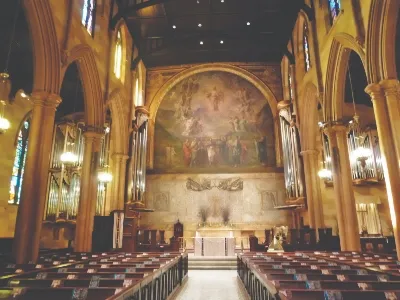
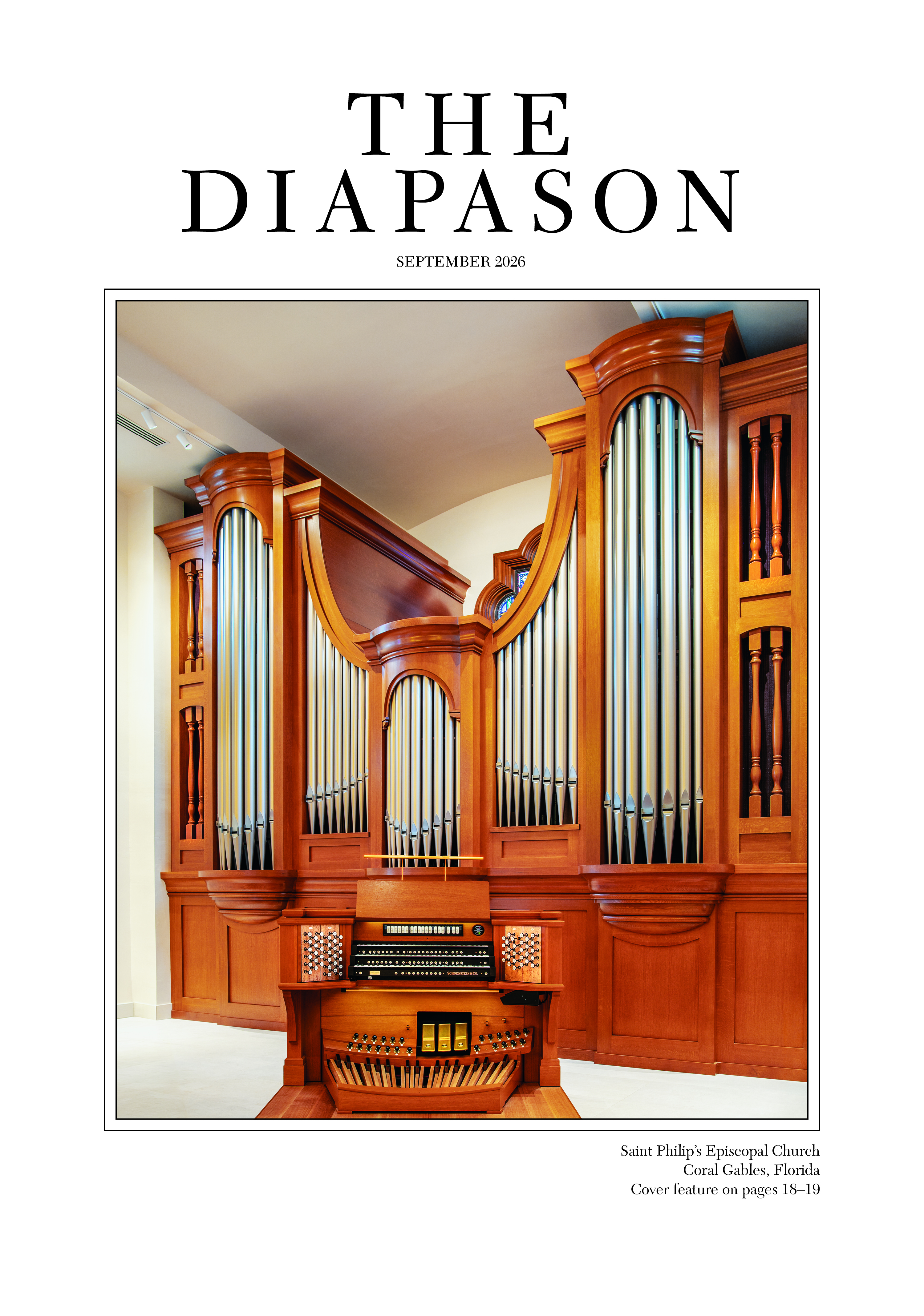
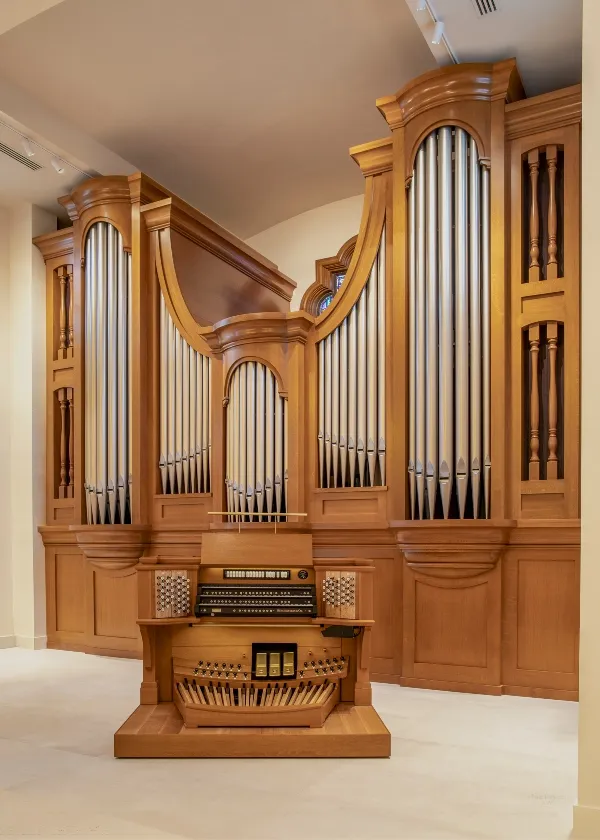
Schoenstein & Co. Organ Builders Opus 187

Schoenstein & Co. Organ Builders, Benicia, California; Saint Philip’s Episcopal Church, Coral Gables, Florida


The have-your-cake-and-eat-it-too organ: Choruses and mixtures for the Symphonic organ

My favorite organs are “have-your-cake-and-eat-it-too organs.” These instruments have loads of color, a huge dynamic range, intuitive expressive controls, fast action, and a comfortable console, all underpinned by a rock-solid mechanical system. They also have diapason choruses that are balanced, and mixtures that add color and richness without aural pain. It is the combination of all these items—easy to say and hard to achieve—that lets the organist want for nothing.
Read more
The Use of Heels in Pedaling Johann Sebastian Bach’s Organ Works

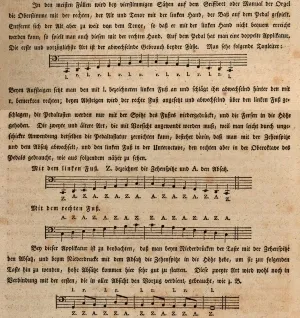
Since the beginning of the Organ Reform Movement in the immediate post-World War II period, flat seventeenth- and eighteenth-century-style North and Central German pedalboards have been gradually reintroduced to organ construction, causing a radical change in the pedaling and interpretation of the organ works of Johann Sebastian Bach (1685–1750). Bach’s organs have pedalboards with fewer keys, typically from C1 to C3 or D3, and are considerably wider and shorter than modern American Guild of Organist or Wesley-Willis style pedalboards, with a compass of C1 to G3.

Read more
SONORA: a Unique Database of Sweden’s Rich Organ Heritage

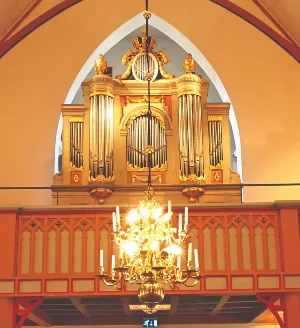
A creative new research platform was launched in October 2025 at the Gothenburg International Organ Academy. The Swedish ONline ORgan Archive (acronym SONORA) is a vast database containing information about Sweden’s classical organs. The country has at least 436 documented instruments built between 1600 and 1860. The SONORA project makes available to users online an exploration of the digitized source material (written documents, drawings, and photographs), along with biographical information on organ builders and technical information about the organs.

Read more
In the Wind: Benefactor in the Village

Benefactor in the Village

Read more
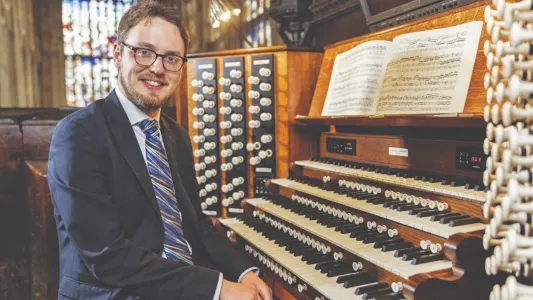
Nunc dimittis: Harrison Cole

Harrison Cole, 25, assisting organist, King’s College, Cambridge, UK, died June 6. Born in 2000, he was a music scholar at Ipswich School, Suffolk, during which time he spent three years as a student in the junior department of the Royal Academy of Music. There his teachers were Anne Marsden Thomas (organ), Alexander Walker (conducting), and Debbie Diamond (continuo). Following a gap year organ scholarship at Wells Cathedral he went to Trinity College, Cambridge, as organ scholar in 2019, working with Stephen Layton.

Read more
Harpsichord Notes: Les Songes Agréables

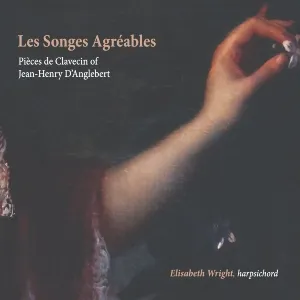
Les Songes Agréables: Pièces de Clavecin of Jean-Henry D’Anglebert

Les Songes Agréables: Pièces de Clavecin of Jean-Henri D’Anglebert. Elisabeth Wright, harpsichordist. Lindoro 2-CD set, NL3076, €25. Available from lindoro.es.

Read more
September 2026
View All Issues
Copyright ©2026 The Diapason. All rights reserved.