Nunc dimittis: Harry Bramma, Hans Klais, Robert Roche
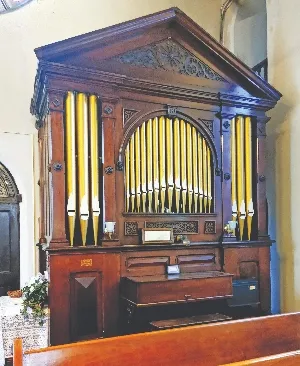
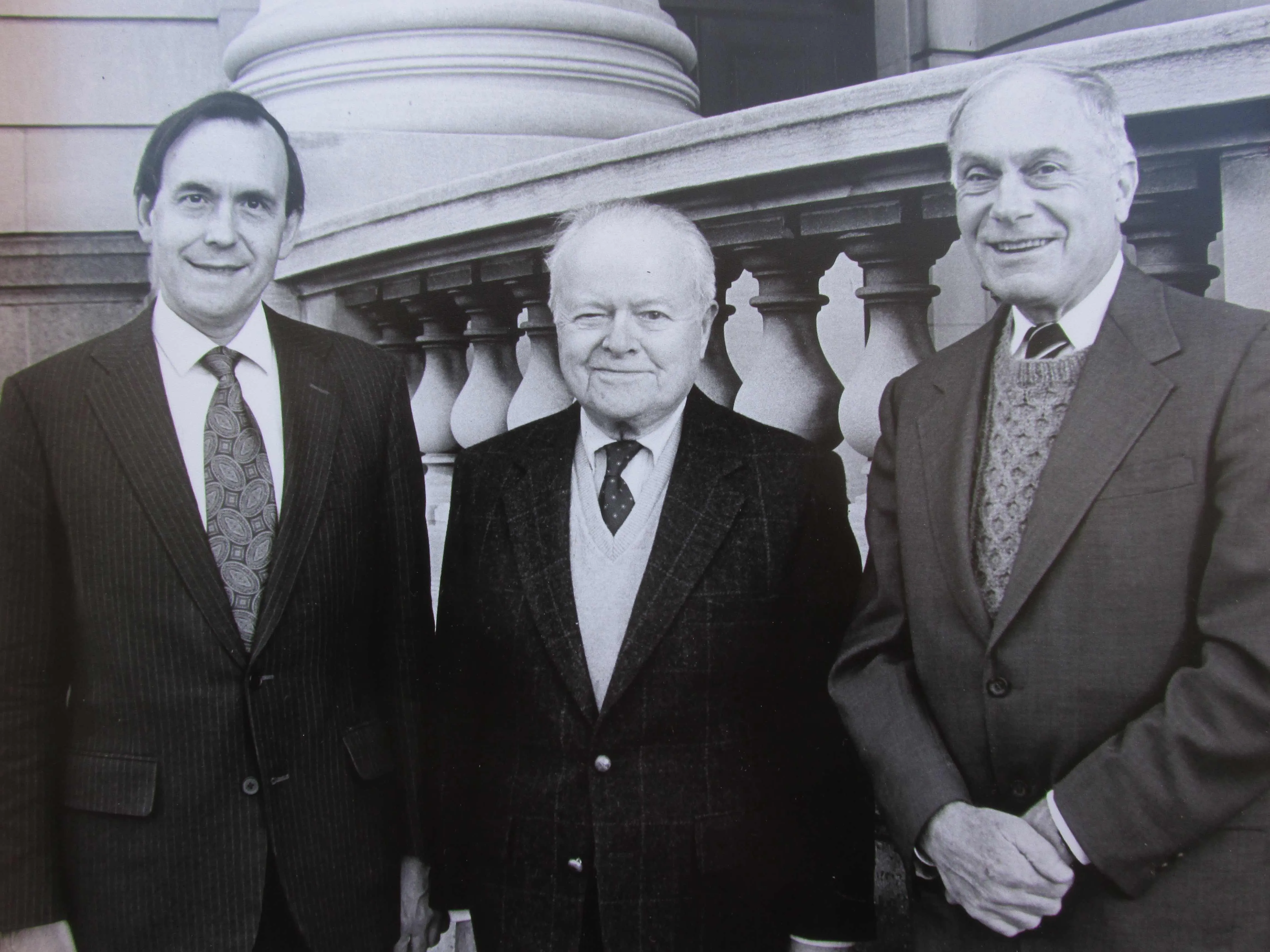
Harry Wakefield Bramma
Harry Wakefield Bramma, 89, died August 23 in Chislehurst, UK. Born November 11, 1936, in Shipley, UK, he was an organist and composer and an authority on Anglican church music. He attended Bradford Grammar School and took organ lessons from Melville Cook.
During studies of theology and music at Oxford University, earning a Bachelor of Arts degree in 1958 and Master of Arts degree in 1960, he studied organ with Bernard Rose and served as organ scholar at Pembroke College. He then went into teaching as director of music at the King Edward VI School, Retford, from 1961 to 1963. That year, he became organist at Worcester Cathedral and taught at King’s School, Worcester. He recorded with the Worcester Cathedral Choir, both as conductor and organist.
In 1976 Bramma became organist and director of music at Southwark Cathedral, where he rebuilt the choir, performing on radio within two years. From 1989 until 1998 he served as director of the Royal School of Church Music (RSCM) and as director of music at All Saints Church, Margaret Street, London, from 1989 until 2004. After his retirement in 1998, he continued to perform recitals and write choral compositions for the church. The choir of All Saints, with organist Henry Parkes, issued a CD of his compositions in 2011. Bramma published his memoirs in 2025, Not Half Bad: A Lifetime of Musical Development and Other Stories.
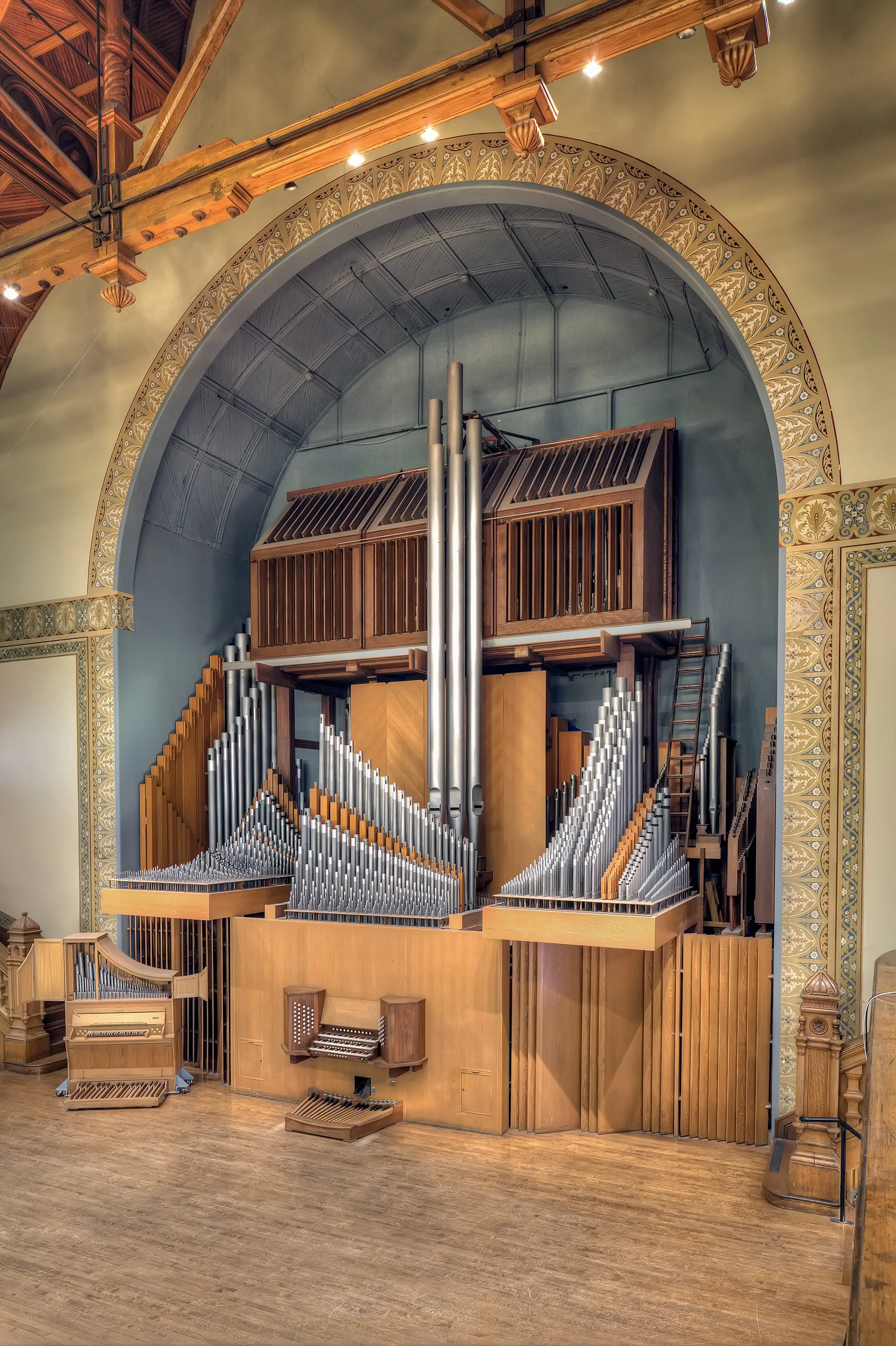
Hans Gerd Klais
Hans Gerd Klais, 95, longtime director of the organbuilding firm Johannes Klais, Bonn, died June 11. Born December 2, 1930, in Bonn, Germany, Klais grew up in his father Hans Klais’s workshop. After completing his apprenticeship, he took on responsibility for the family business at an early age and continued to run the workshop following his father’s death. He developed a distinctive artistic and technical style, the aim of which was to combine the tonal transparency of historical organs with the expressive possibilities of the symphonic tradition. This synthesis became the hallmark of Klais organs from the second half of the twentieth century.
For decades, Klais shaped modern organ building beyond Germany as the third-generation head of the Klais workshop, founded in 1882. From 1957 until he handed over the reins to his son Philipp Klais in 1995, he ran the company and set new standards in the construction and restoration of organs. Under his leadership, significant instruments were built for cathedrals, churches, and concert halls across several continents, including the cathedral organs at Trier and St. Kilian’s in Würzburg, the concert hall organ at the Cologne Philharmonie, the organ at the Munich Philharmonie in the Gasteig, the organ at Hallgrímskirkja in Reykjavík, the organ at Symphony Hall in Kyoto, and the organ at St. Peter’s Church in New York City. Klais was also passionate about the restoration of historical instruments, in particular for his restoration of the bamboo organ in Las Piñas, Philippines.
Hans Gerd Klais was committed to the interests of German organbuilding, including serving as the chair of the Bund Deutscher Orgelbaumeister from 1974 until 2000. He was dedicated to promoting the craft, training the next generation of organbuilders and fostering international professional exchange.
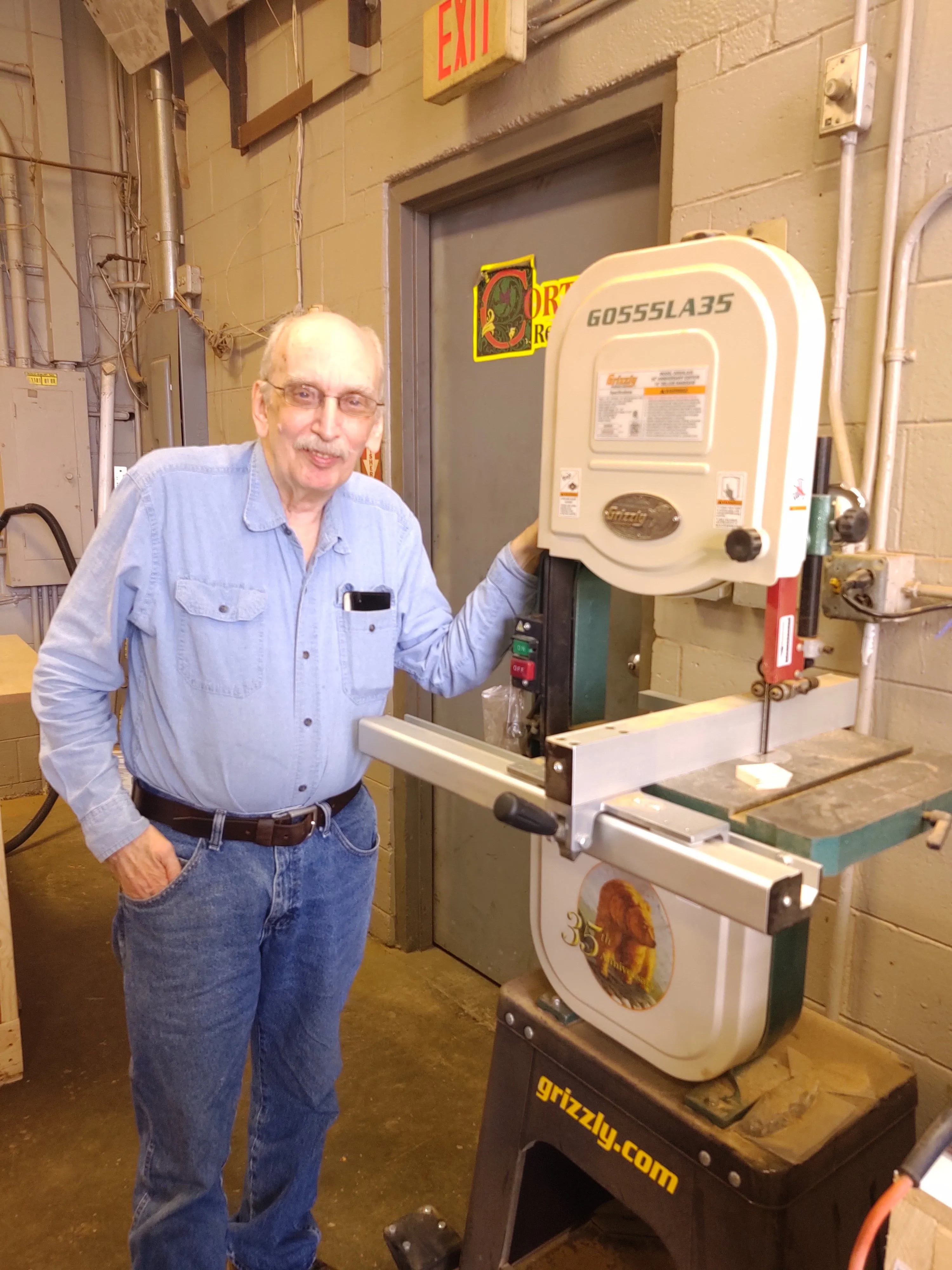
Francis Robert (“Bob”) Roche III
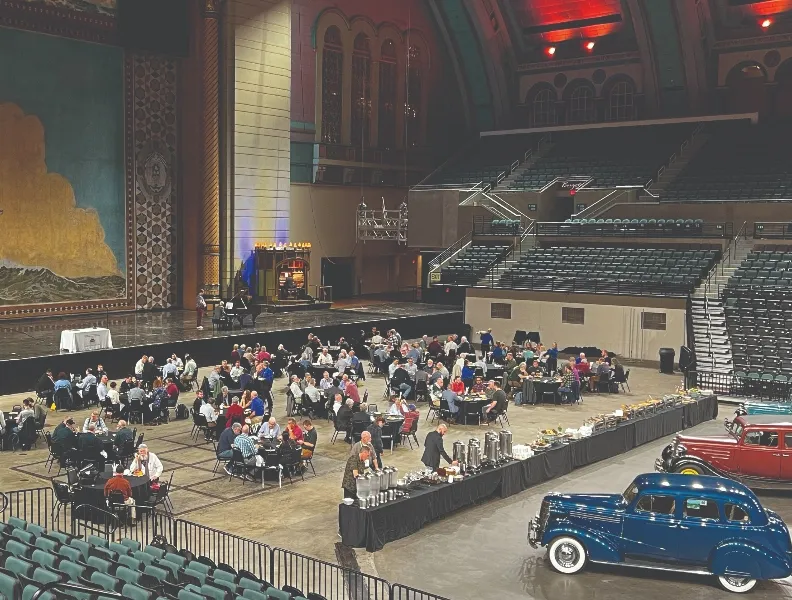
Francis Robert (“Bob”) Roche III, 89, organbuilder, died July 28. He was born January 30, 1937, in Taunton, Massachusetts. After receiving a degree in inorganic chemistry from Providence College in 1960, he taught science for eight years at Taunton High School and in Somerset, Massachusetts. During the summers he assisted organbuilder James Winter, a former Midmer-Losh employee who had worked on the Atlantic City Convention Hall organ installation and later relocated to Mansfield, Massachusetts.
In 1965, with parish volunteers, Roche moved J. H. & C. S. Odell Opus 172 (1879) from St. Anthony’s Catholic Church, Troy, New York, to Sacred Heart Catholic Church, Taunton, where his sister was music director and organist. Organbuilding gradually won out over teaching. He started his own organ business in 1968 under the name F. Robert Roche, doing repairs, tonal changes, and minor rebuilds in southeastern Massachusetts. The first workshop was a space in his father’s appliance repair shop behind the family home.
A dedicated workshop building was purchased and set up in 1975 in Taunton, and the business was incorporated as Roche Organ Company. Thereafter, the company built its own windchests, cases, and consoles and primarily specialized in mechanical-action organs. The firm was the first in New England to use a vacuum table system for gluing the plywood tables (tops) on slider-pallet windchest grids and, from 1982 onward, used space-efficient steel structural frames in its larger organs.
Roche’s first significant project was the 1971 rebuilding of the 1904 Hutchings-Votey organ at the Unitarian Memorial Church, Fairhaven, Massachusetts. Other rebuilding projects included the Baptist Temple, Fall River (1972, relocated in 1991 to Church of the Pilgrimage, Plymouth); First Congregational Church, Fairhaven (1979); and in Taunton, Holy Rosary Catholic Church (1976), St. Thomas Episcopal Church (1980), and First Parish Church (1986). Historic restorations included the ca. 1834 E. & G. G. Hook organ at Berkley Congregational Church (1983), the oldest surviving Hook church organ; the 1852 George Stevens instrument relocated to St. Andrew’s Episcopal Church, New Bedford; and the 1890 Johnson & Son Opus 745 at Pilgrim Congregational Church (1995–1997). These instruments were visited during the Organ Historical Society 2005 Southeastern Massachusetts Convention.
The firm also built new mechanical-action organs for St. Mary’s Episcopal Church, Providence (1980), First Congregational Church, Bristol (1982), and Westminster Unitarian Church, East Greenwich (1992), in Rhode Island; and Good Shepherd Episcopal Church, Wareham (1982), First Congregational Church, Sharon (1985), St. Peter’s Catholic Church, Dighton (1987), Memorial Baptist Church, Seekonk (1988), S. Deane Place residence, Plainville (1988), Old North Vestry, Nantucket (1989), and St. David’s Episcopal Church, South Dennis (1993), in Massachusetts.
From 1980 to 1982 the company had its own pipe shop, set up and operated by the late Pascal Boissonnet, a French pipe maker specifically brought over on a skilled worker visa. In the 1980s Roche started Tracker-Tool Supply Co., which provided specialized organbuilding and voicing tools to the trade. In 2000 he sold the shop building and continued to operate Tracker-Tool and a limited tuning and service business from his home.
From 1960 to 1968 Roche served as the Organ Historical Society’s first recordings supervisor, overseeing the recording and production of LP albums of OHS annual convention highlights. In 1963 he produced the society’s first slide-tape presentation, “A History of the Organ in America 1700 to 1900.” This project was the first of its kind to illustrate with images and sounds the history of American organbuilding. Roche photographed and recorded the organs and did the reel-to-reel tape editing and splicing.
A charter member of the American Institute of Organbuiders (AIO), he served on its first provisional board of directors, and on the AIO 1975 Albany convention committee. A longtime member of the Southeastern Massachusetts Chapter of the American Guild of Organists, he served as dean and newsletter editor. He was also a member of the Boston Organ Club and organized several club visits to organs in southeastern Massachusetts.
In addition to singing in his sister’s choir at Sacred Heart Church, in the 1960s–1970s Roche directed a barber shop chorus in nearby Franklin and sang baritone in a barber shop quartet. In retirement he took up Portuguese Fado singing and purchased a summer home in Terceira Island (Azores), where his parents were born.
A devout, lifelong Catholic, he authored a book, The Bullet in Mary’s Crown: The Story of Our Lady of Fatima (Stillwater River Publications, 2017). While studying at Providence College he was professed into the Third (Lay) Order of St. Dominic. He was buried in his Dominican habit, with interment at St. Joseph Cemetery, Taunton. A Requiem Mass was held August 4 at St. Anthony’s Church, Taunton, where he was a lifelong member. Robert Roche is survived by his sister Joanna Alden and extended family members.