Nunc dimittis: John Bertalot, Rev. James Chepponis, George Taylor, Helmuth Rilling
John Bertalot
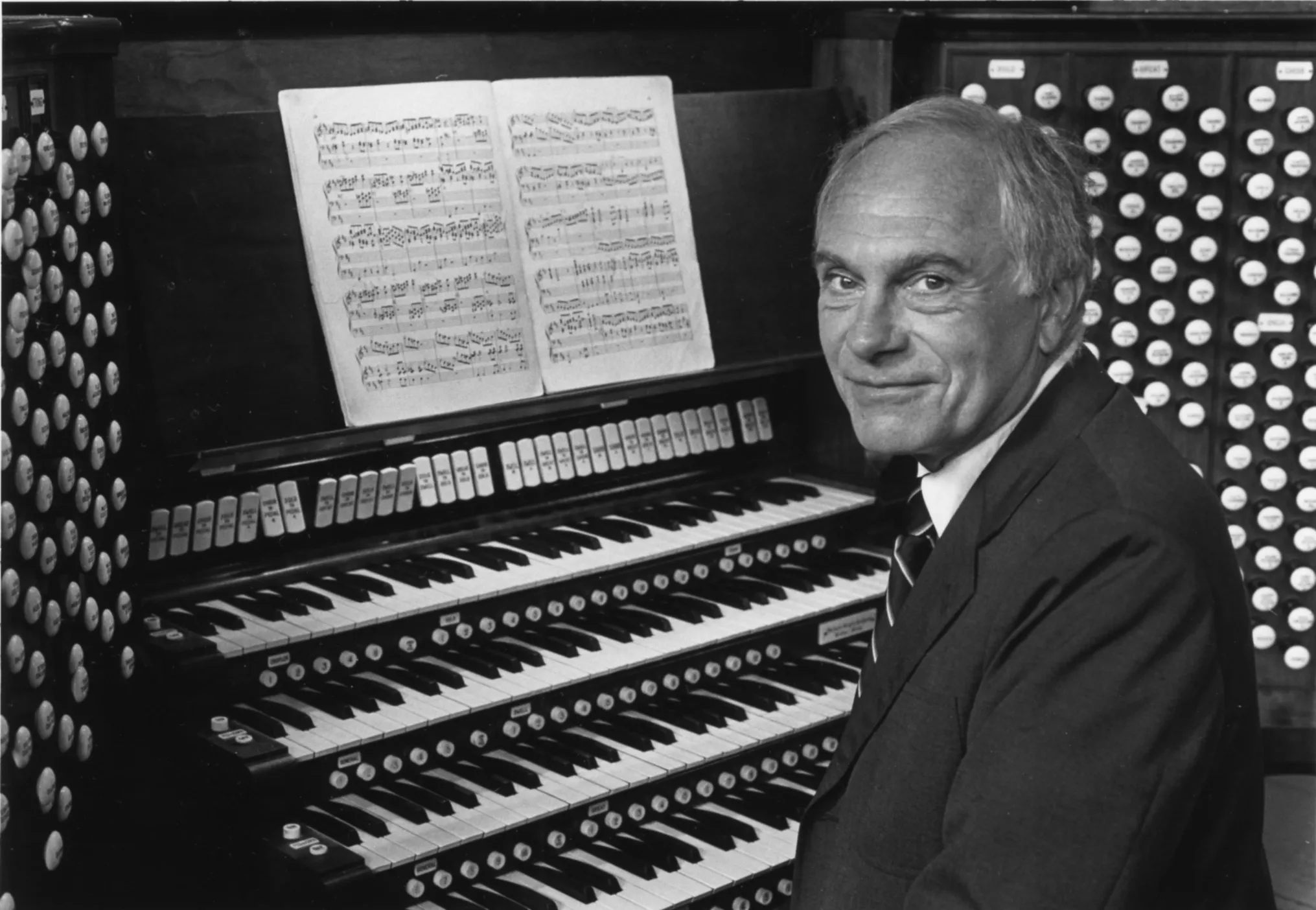
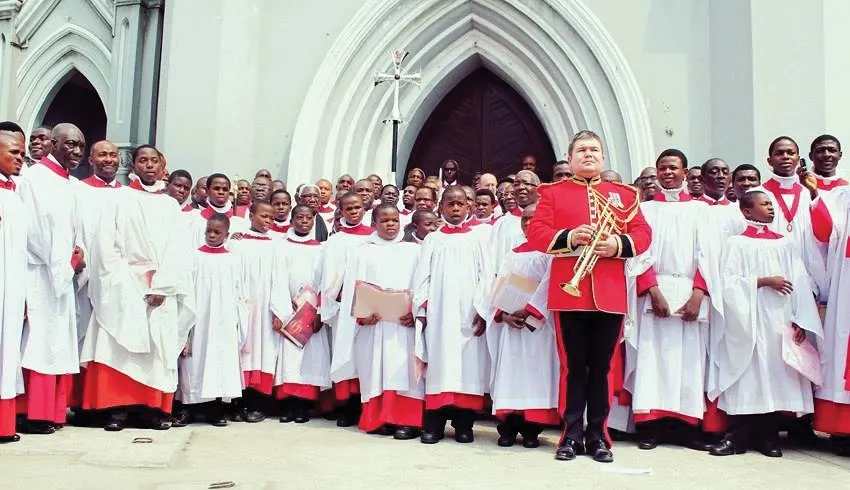
John Bertalot, 94, died February 21. Born September 15, 1931, in Maidstone, Kent, UK, he studied organ at the Royal College of Music and was an organ scholar of Corpus Christi College, Cambridge, from 1955 to 1958. He served as organist of St. Matthew’s Church, Northampton, from 1958 to 1964 and of Blackburn Cathedral from 1964 to 1983 before moving to the United States, to be organist for Trinity Episcopal Church, Princeton, New Jersey, from 1983 to 1998. Blackburn Cathedral named him Organist Emeritus in 1998. Bertalot was the author of John Bertalot’s Immediately Practical Tips for Choral Directors, Five Wheels to Successful Sight-Singing, and How to be a Successful Choir Director.
The funeral for John Bertalot took place March 14 at Blackburn Cathedral. For information: bertalot.org.
Reverend Father James J. “Chip” Chepponis
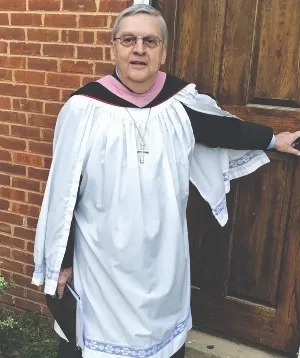
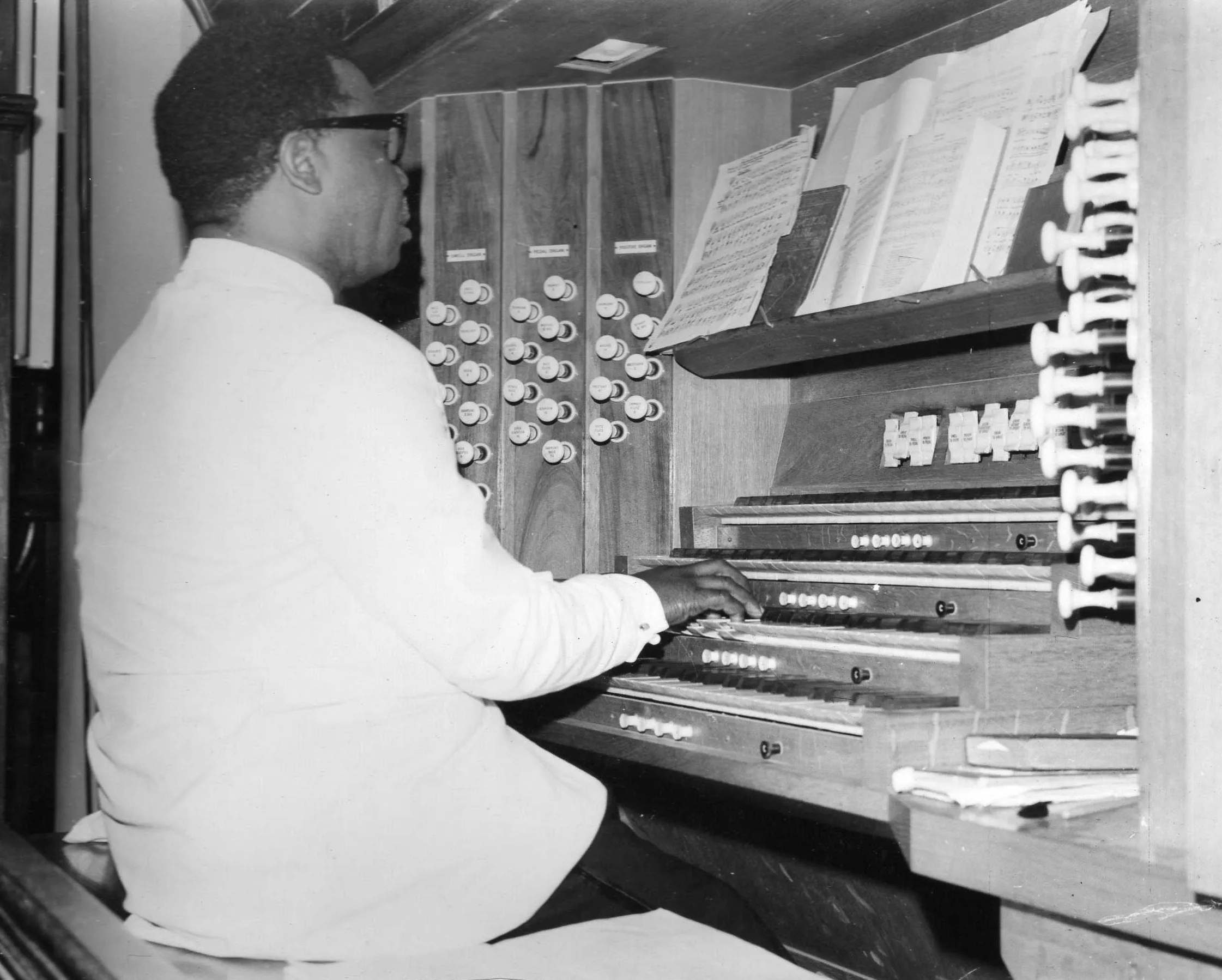
The Reverend Father James J. “Chip” Chepponis, 69, Catholic priest, organist, and liturgical composer, died February 18. He received his bachelor’s degree in music from St. Fidelis College/Slippery Rock University with a major in organ and a minor in voice, and he earned his Master of Divinity degree and Master of Arts degree in systematic theology at Mount St. Mary’s Seminary, Emmitsburg, Maryland. His first published composition, “Magnificat,” was released prior to his ordination to the priesthood in 1985. The piece he wrote for that Pittsburgh ordination Mass, “Go Up to the Altar of God,” is used across the United States and internationally. Another of his well-known compositions, “Festival Alleluia,” was commissioned for a 1999 Mass of Pope Saint John Paul II in St. Louis, Missouri.
Fr. Chepponis served the Diocese of Pittsburgh by providing music for diocesan liturgies, directing the Diocesan Choir, coordinating the Pittsburgh chapter of the National Association of Pastoral Musicians, leading the NPM’s Director of Music Ministries Division, and serving as a music resource for parishes throughout the diocese. At the same time, he continued in parish ministry, serving as parochial vicar at St. Albert the Great Parish, St. Paul Cathedral Parish, St. Catherine of Sweden Parish, and St. Malachy Parish. In 1996 he was named the director of the Diocesan Office for Music, a position he held until his death. In 2003 he was named pastor of St. John Capistran Parish. In 2018 he became senior parochial vicar at St. John Capistran and St. Thomas More parishes. Following their merger in 2021, he was named senior parochial vicar of the newly created Resurrection Parish, a position he held until his death.
A Mass of Christian Burial was held at St. Thomas More Church (Resurrection Parish), Pittsburgh, on February 23, with Bishop Mark A. Eckman, D.D., officiating. Burial followed in Calvary Cemetery.
Memorial gifts may be made to the Father James J. Chepponis Fund for Music Ministry, an endowment that perpetuates the role of liturgical music throughout the Catholic Diocese of Pittsburgh. Contributions may be mailed to Julie Seavy, The Catholic Foundation of Greater Pittsburgh, 2900 Noblestown Road, Pittsburgh, Pennsylvania 15205.
George Keith Taylor
George Keith Taylor, 83, died February 13 in Fishersville, Virginia. He was born April 26, 1942, in Richmond, Virginia, and completed his secondary education at Woodberry Forest School, Woodberry Forest, Virginia, in 1960, where he was first introduced to playing the organ and the study of pipe organs and organbuilding. He graduated from Washington and Lee University, Lexington, Virginia, in 1964. Upon graduation, he was awarded a Ford Foundation grant to serve an apprenticeship with Rudolf von Beckerath in Hamburg, Germany, where he learned aspects of design, construction, installation, and maintenance of mechanical-action organs in the style of those from the period of Johann Sebastian Bach. At the completion of his four-year apprenticeship, Taylor accepted a position with John Brombaugh & Co. in Germantown, Ohio, where he worked with his future business partner, John Boody. In 1977 Brombaugh decided to move his organbuilding company to the west coast, but Taylor and John Boody opted to found their own business, Taylor & Boody Organbuilders, in the Shenandoah Valley near Staunton, Virginia.
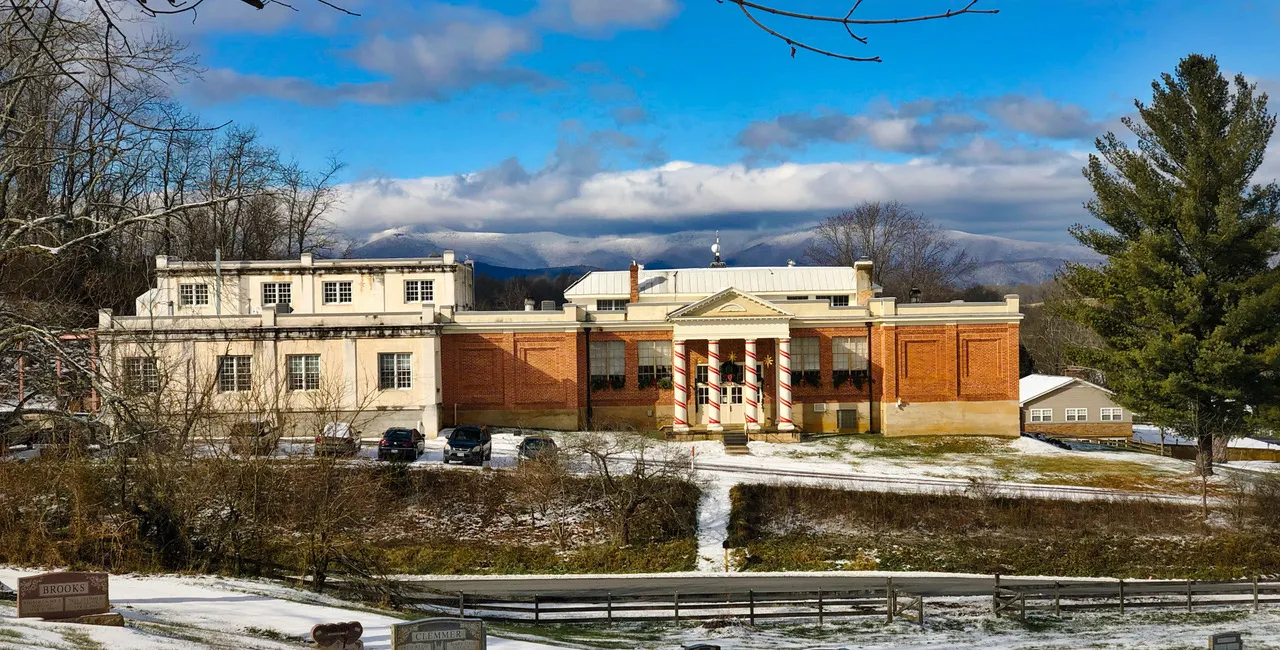
Taylor & Boody opened its doors in 1979 in a renovated elementary school building, creating organs that have been installed throughout the United States and in England, Japan, and Hong Kong. Taylor was asked to contribute a chapter on organ design and pedagogy for an upcoming book from Oxford University Press, a project he nearly completed prior to his death. In 1988 George married Carol A. Harris, who moved to Staunton from Canada. During their 38-year marriage, they transformed their parcel of land into a wildlife preserve, reintroducing native trees, plants, and vernal pools as they determined to be ecologically sound stewards of the land entrusted to them. George Taylor’s love of and concern for nature was evidenced in his support of the Jane Goodall Institute, The Nature Conservancy, and other organizations devoted to care of the environment. He enjoyed volunteering for the Blue Ridge Area Food Bank. He also loved to sing and was a choir member at Trinity Episcopal Church, Staunton, where his wife served as organist and choirmaster.
In addition to his wife Carol, George Keith Taylor is survived by his sister Martha Finley Taylor Sutton (David) of Norwood, North Carolina; sister Jennie Taylor Shirey (David) of Lexington, Kentucky; three nephews, two nieces, and eight great nieces and nephews. A private burial service was held in Lexington, Virginia. Memorial contributions may be made to the Jane Goodall Institute (janegoodall.org) or the Blue Ridge Area Food Bank (brafb.org).
Helmuth Rilling
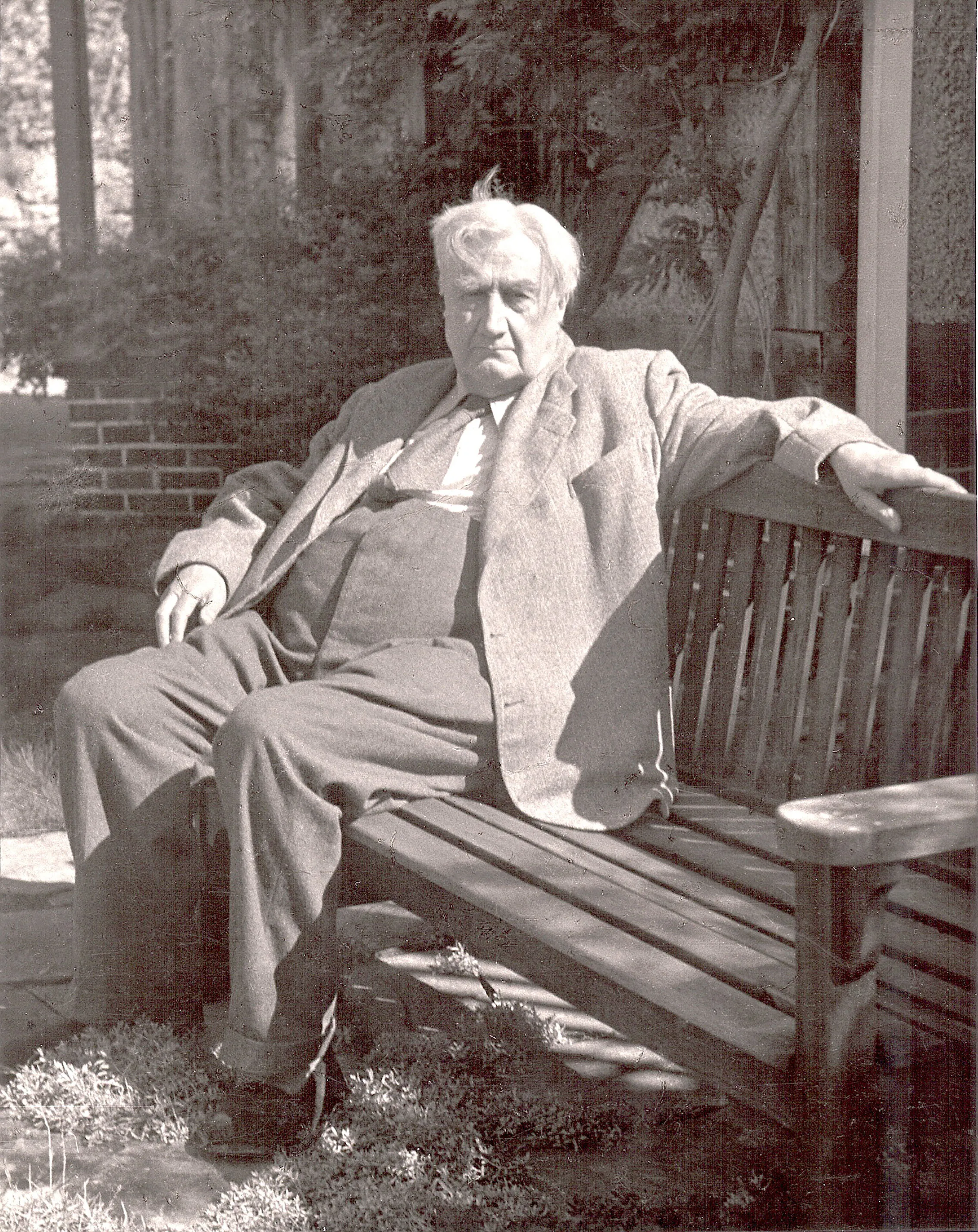
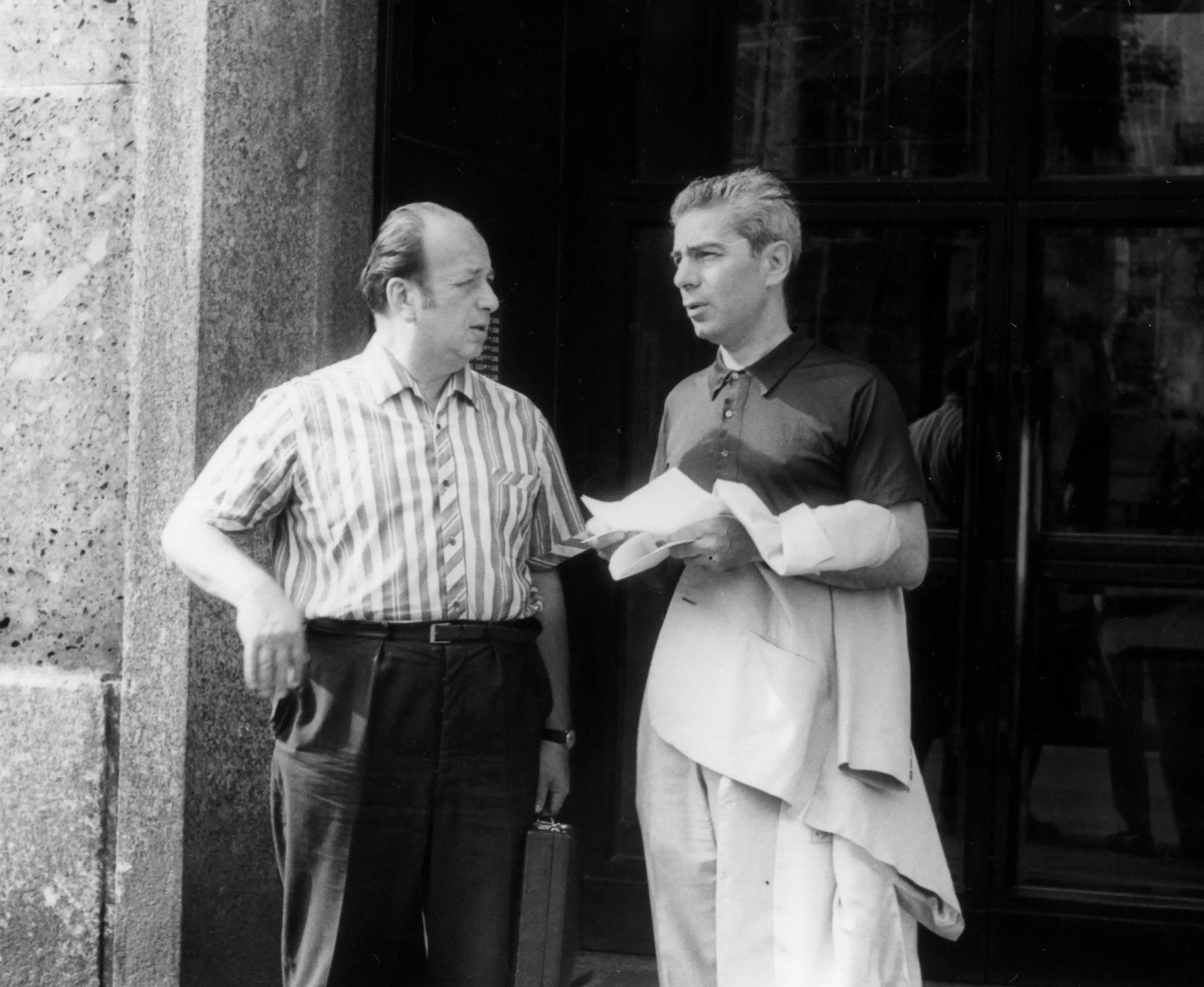
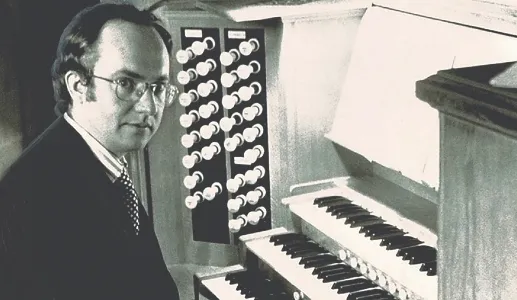
Helmuth Rilling, 92, choral conductor and teacher, died February 11 in Leonberg, Germany. Born May 29, 1933, in Stuttgart, Germany, he began studies at the Protestant Seminaries in Württemberg. From 1952 to 1955 he studied organ, composition, and choral conducting at the Stuttgart College of Music, with further studies with Fernando Germani in Rome, at the Accademia Musicale Chigiana in Siena, and later with Leonard Bernstein in New York City.
While still a student in 1954, he founded Gächinger Kantorei. In 1957 he was appointed organist and choirmaster at the Stuttgart Gedächtniskirche, conducting Figuralchor der Gedächtniskirche Stuttgart. Between 1963 and 1966 he taught organ and choral conducting at the Spandauer Kirchenmusikschule, working with Spandauer Kantorei. He conducted Bach-Collegium Stuttgart beginning in 1965, which often performed with Gächinger Kantorei, and he toured with both ensembles. In 1969 Rilling was appointed choral conducting professor at the Frankfurt University of Music and Performing Arts, remaining until 1985. In 1969 he became conductor of the Frankfurter Kantorei until 1982.
Rilling became best known for the interpretation and performance of the music of Johann Sebastian Bach, the first to prepare and record on modern instruments the complete choral works of that composer. Other recordings included works of Classical and Romantic music, particularly the works of Johannes Brahms. He was the founder of the Oregon Bach Festival in 1970, the Internationale Bachakademie Stuttgart in 1981, and other Bach academies around the globe, as well as Festival Ensemble Stuttgart in 2001 and Junges Stuttgarter Bach Ensemble in 2011. He taught choral conducting at the Frankfurt Musikhochschule from 1965 to 1989. He retired from conducting in 2018.