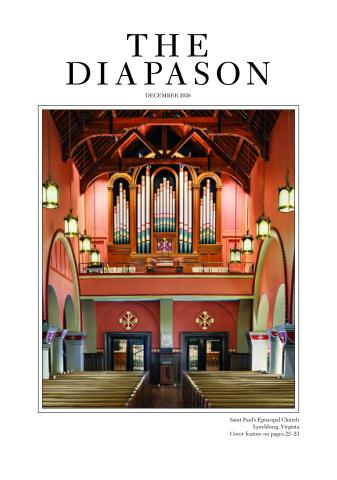
Cover Feature: Parsons Pipe Organ Builders Project 56
Parsons Pipe Organ Builders, Canandaigua, New York; Saint Paul’s Episcopal Church, Lynchburg, Virginia
Within the usual limitations—budget, space, a customer’s appetite for risk—a new organ gives any builder his greatest freedom, since everything can be crafted anew to suit the conditions at hand. Rebuilding an existing instrument limits those parameters, while still affording some of that new-organ freedom to improve, correct, or expand. But rebuilding and relocating an existing instrument? Pipe organs are so custom-made that it can seem perverse to take an instrument specifically tailored to one place and make it conform to entirely different circumstances.
Even so, fools will rush in, particularly for a terrific church with fine people and a tireless musician. Sumner Jenkins had visited several of our projects and was (we were gratified to learn) eager to work with us. When considering next steps, Sumner and his newly minted organ committee looked at several different possibilities: rebuild the parish’s existing organ, commission an entirely new organ, find and restore an organ of historical significance, or commit to saving and repurposing a noteworthy organ that would otherwise languish in a situation where the pipe organ was no longer valued as a partner in worship. Inevitably, the question for the committee and for the members of Saint Paul’s Episcopal Church in Lynchburg, Virginia, where Sumner has been organist and choirmaster since 2016, amounted to deciding what would resonate best within the parish and the community as a whole.
Notably, Sumner had spent a decade playing the parish’s 1972 Schantz, a fine enough organ in its own way, but with the limitations of its time that made it unsuitable for accompaniment or the building’s acoustical properties. After careful consideration, it was decided that the time for rebuilding had come and gone. With the onset of covid providing time to thoroughly research the options, the committee began to recognize the value of rescuing a worthy organ that could be successfully reengineered, revoiced, and transformed visually to appear as though it had been intended for Saint Paul’s all along. As many can attest, finding an organ that meets the necessary criteria is not an easy task!
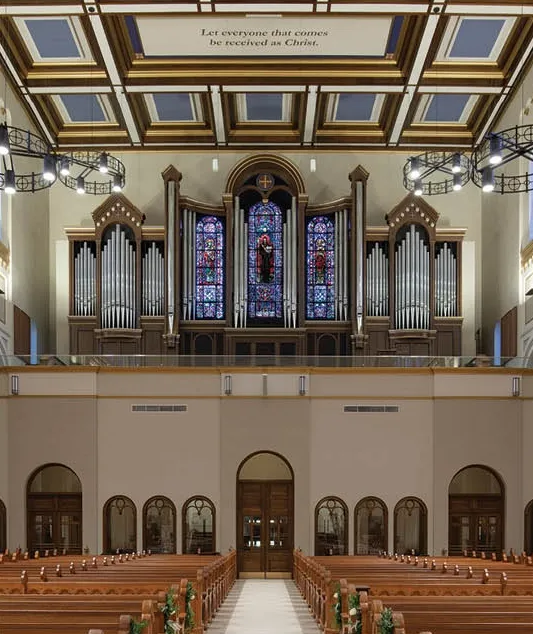
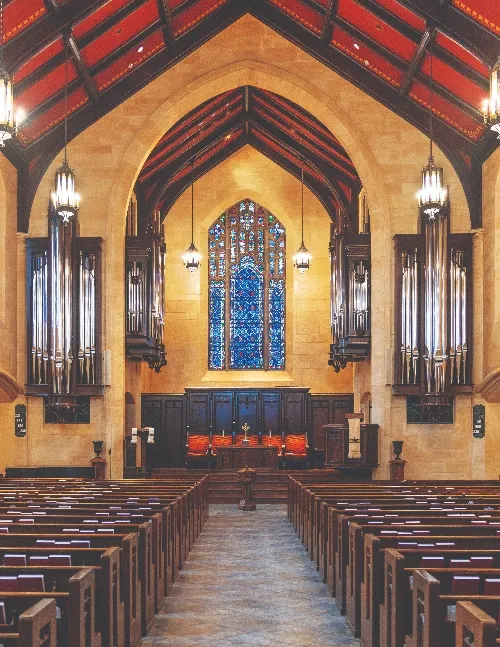
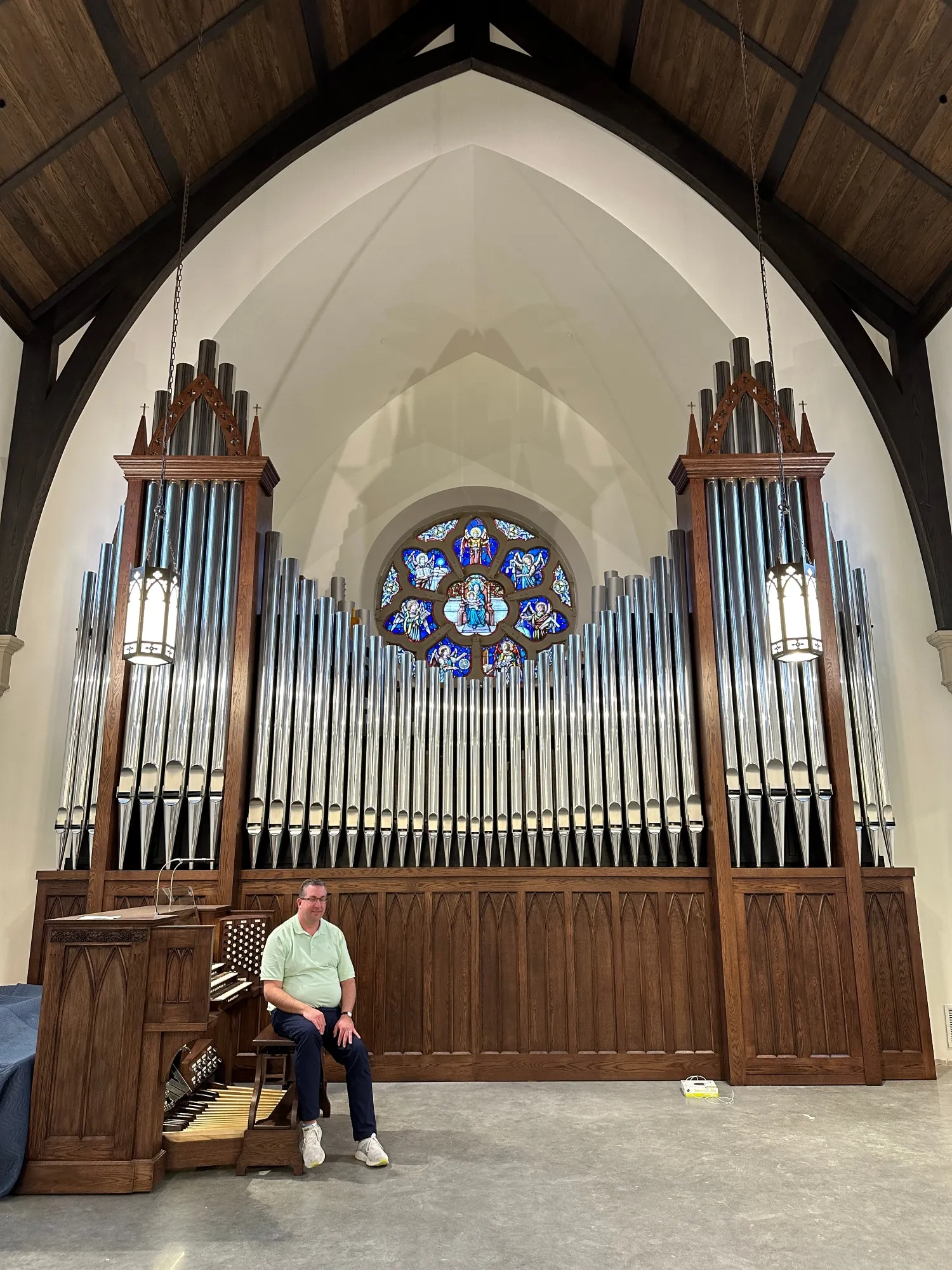
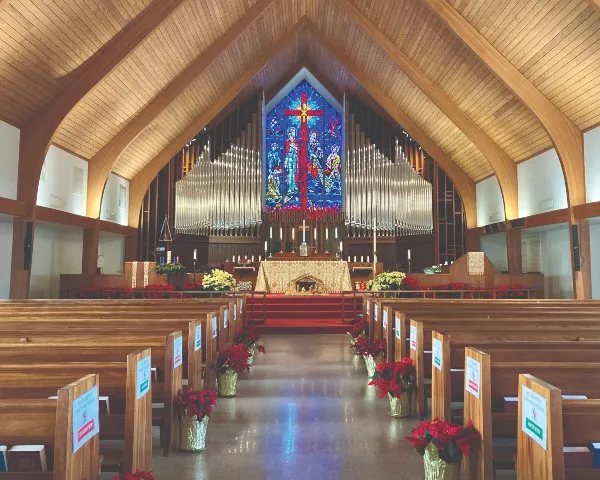
Unfazed, Sumner sought out a lightly-used Casavant (Opus 3818 of 2001) in Arizona, at a church whose worship had evolved into the contemporary vein, with the organ going essentially unused. In it Sumner found an instrument with bold flue choruses and splashy, French-type reeds. It wasn’t really the sound Sumner envisioned for Lynchburg. Saint Paul’s, a 1894 neo-Romanesque church bathed in earth tones and rich with stained glass from Tiffany, is the sort of place where an organ wants to sound like the church looks. But Sumner—both dog and tortoise—had a certainty of vision. Supported by Rector Todd Vie and a solid committee, Sumner sparked the enthusiasm, rallied the funds, and had that tenacity of spirit that sees a project done.
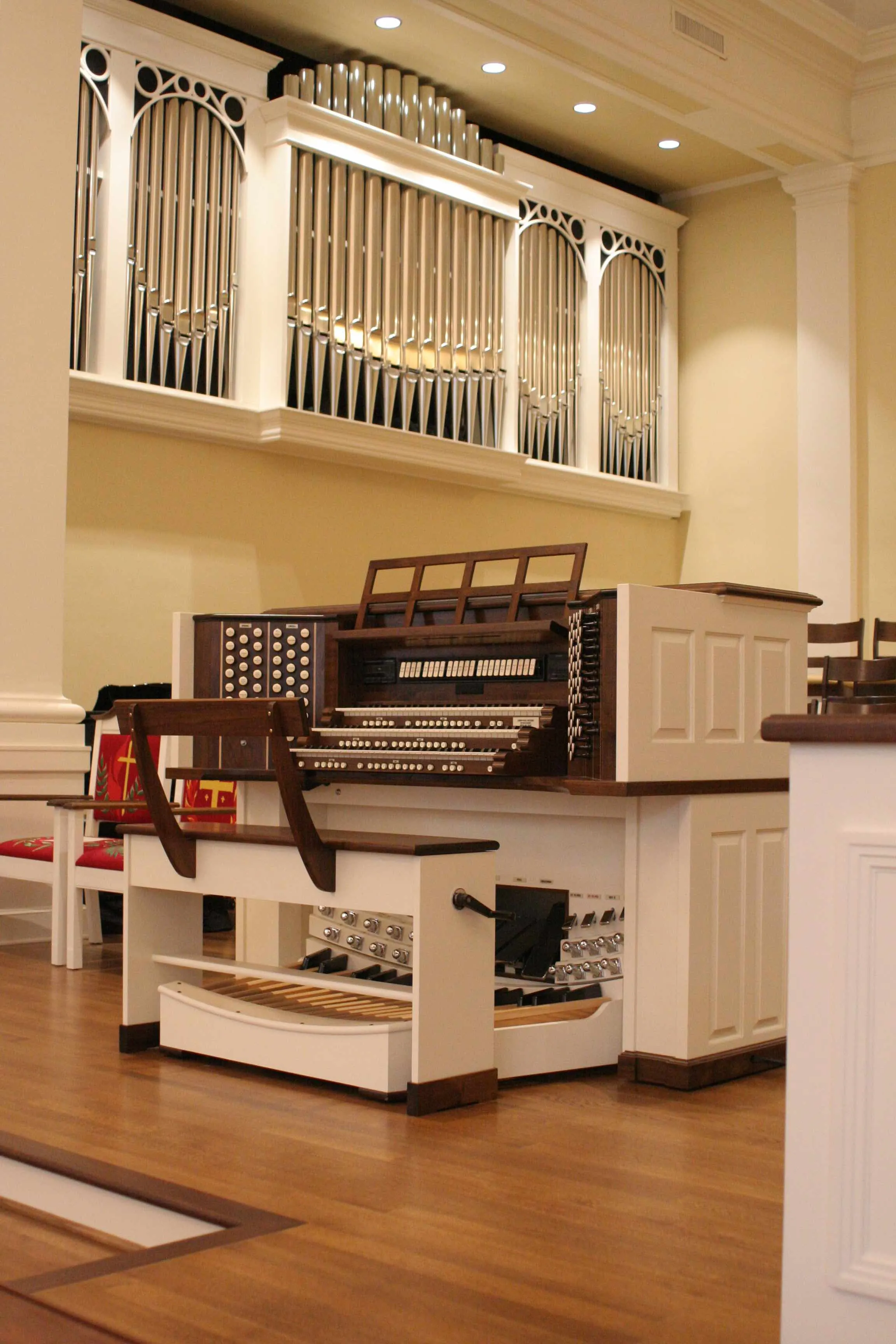
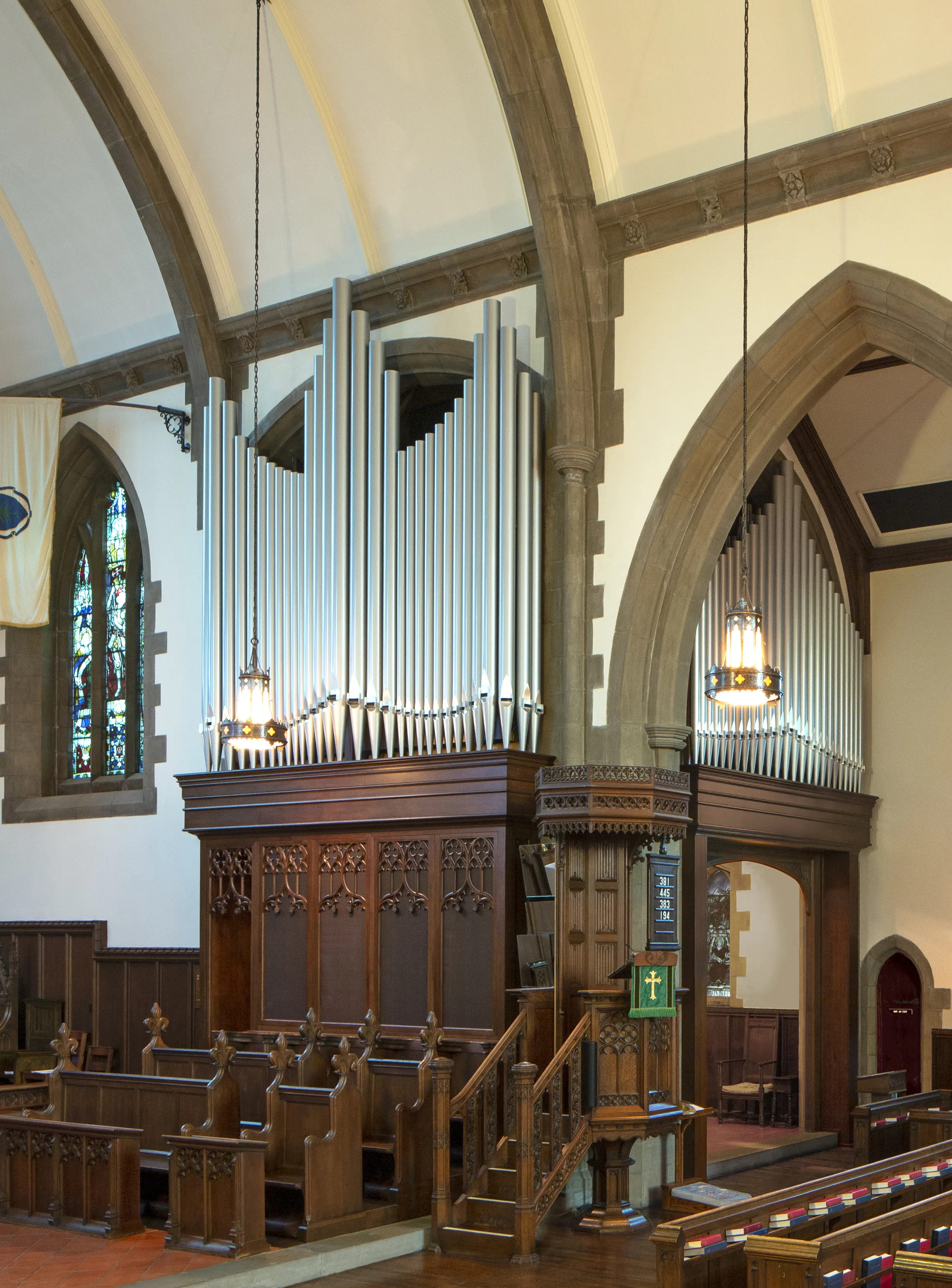
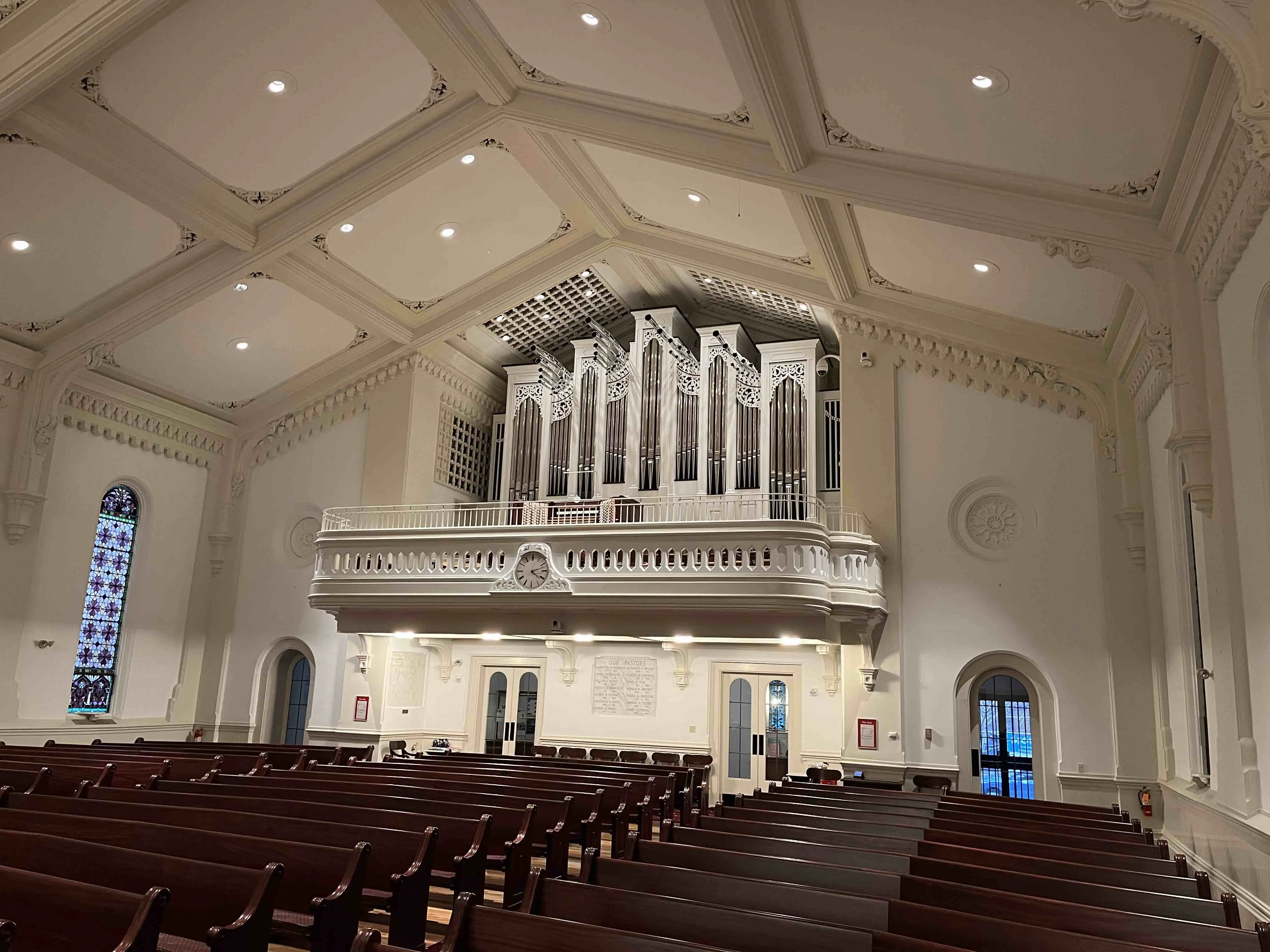
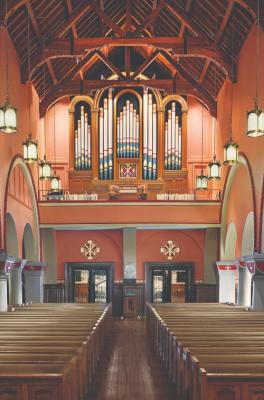
Together with the church, we realized that the large unused soffit adjacent to the gallery—a side attic of sorts—could provide excellent room and egress for bass pipes, while freeing up the main loft for everything else. In that soffit resides the 16′ Contra Bass, the 16′ Subbass, three new Haskelled wood pipes we built to make the Great 16′ Sub Principal fully independent, and the new high-pressure Pedal reed (with effective half-length 32′ octave) built and voiced by A. R. Schopp’s Sons. With the large material out of the way, Designer Peter Geise neatly arranged the three manual departments into the main gallery loft. Swell and Choir sit end-to-end on the lower level, sufficiently elevated not to speak directly into the ears of singers. Great and Pedal upper stops are one level up in the roof peak, a commanding position from which these pipes speak directly down the nave. In cooperation with the church’s architect and HVAC engineers, various areas were provided with return air ducts. We engineered and built a separate microclimate system to circulate air through the various levels to help stabilize temperatures and tuning.
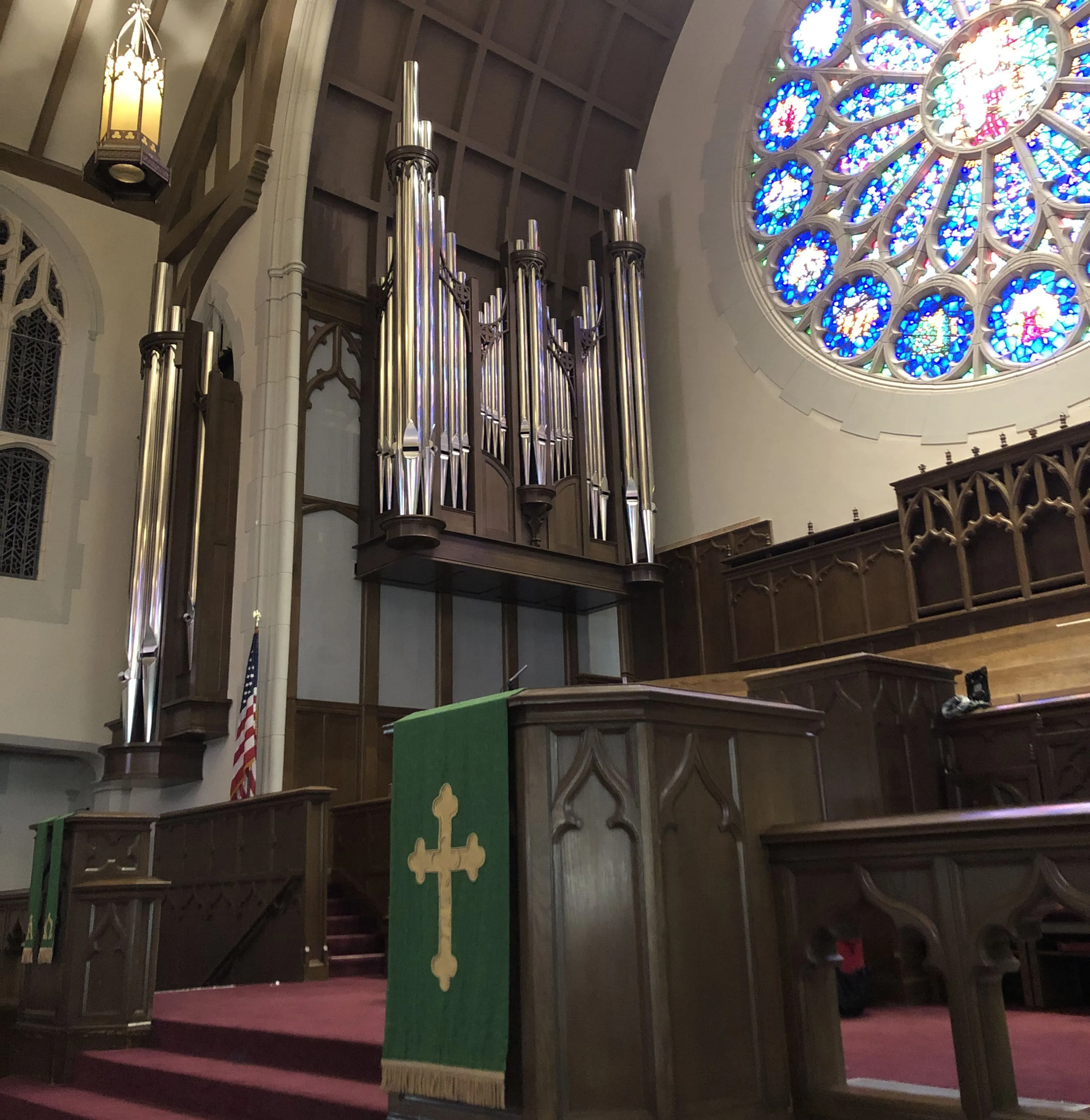
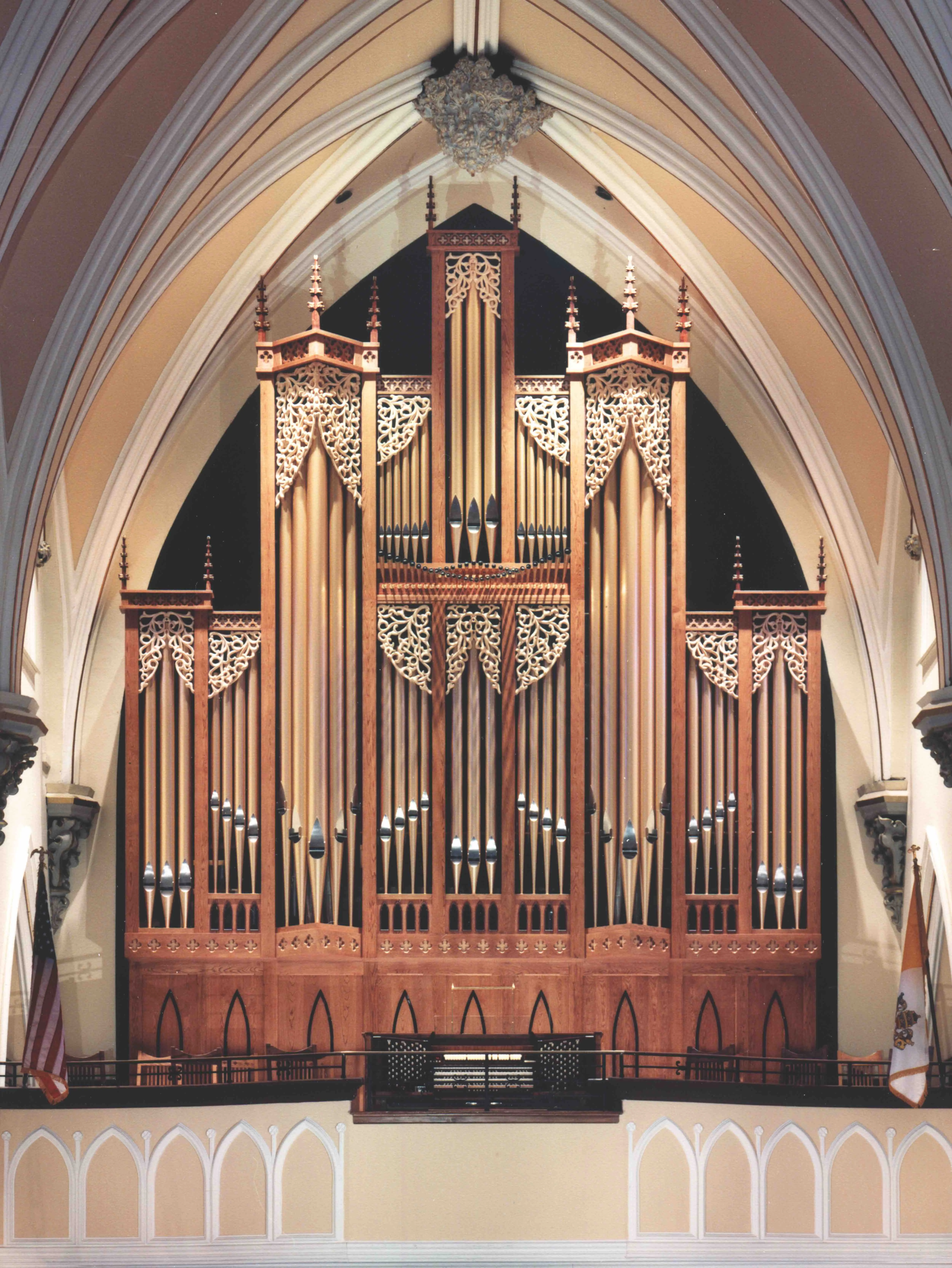
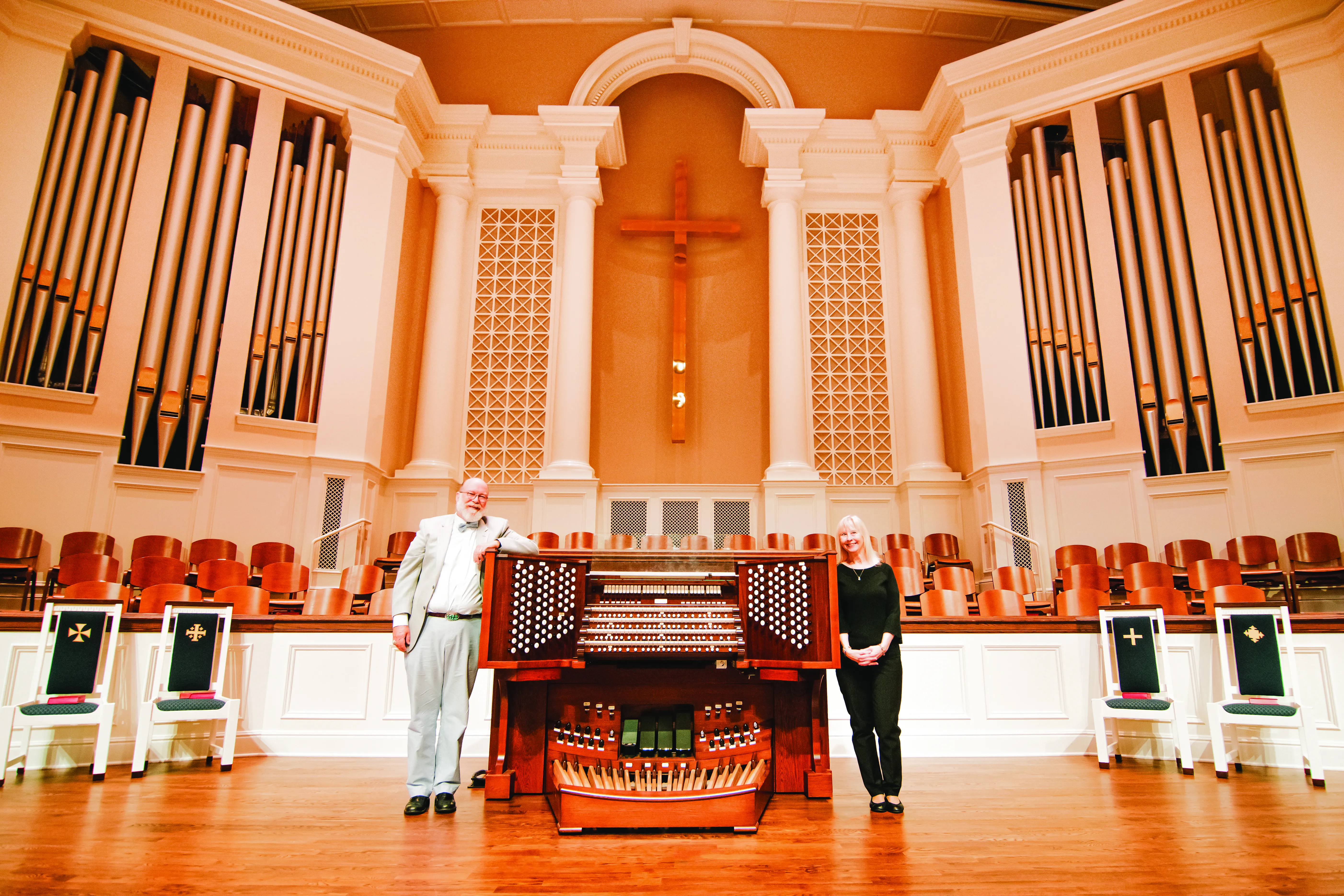
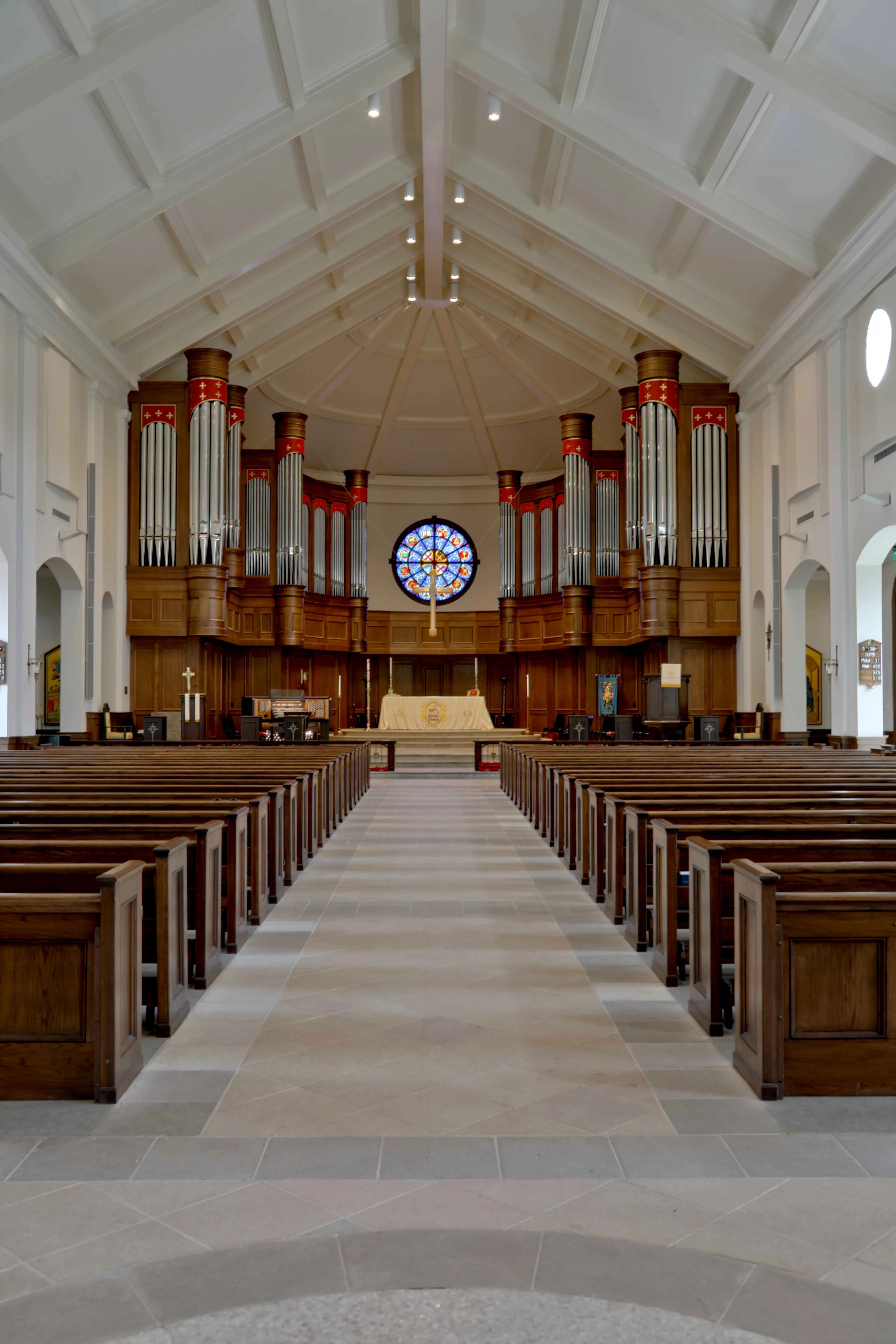
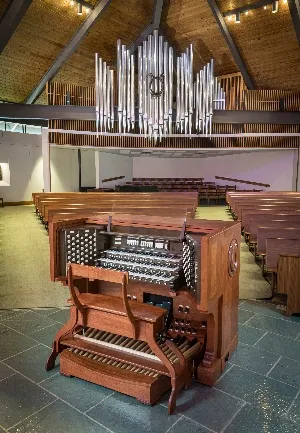
One particular challenge here came in reworking a contemporary façade into a new, traditional case. The color scheme, developed in collaboration with Mary Lou Davis, takes its cues from the church’s palette; Ellen Parsons did the stenciling in our shop. Within, the organ’s structure is entirely new, including the Swell and Choir enclosures and effective shutter fronts. New wooden wind trunks link up the existing bellows. Otherwise, many components needed only cleaning and redeployment, including all manual pitman windchests and several offsets. The console was given a new Opus-Two control system and altered to suit the revised specification. In our shop, we made a new tilting tablet rail and all new stop faces, converting the nomenclature from French to English in the process. (With respect to our Canadian colleagues, French is not much spoken in Virginia.)
A similar transformation has happened musically, taming down splash while adding warmth. Tonal Director Duane Prill spent time first with the church’s existing Schantz, to evaluate the room and its acoustical response, then with the Casavant material, deciding what to leave alone, revoice, or modify. A few stops are entirely new: the Swell Geigen and Oboe, Pedal Trombone, Great Trumpet. The Great and Swell mixtures, reduced in ranks, have been strengthened in tone, with corresponding adjustment to the choruses beneath. Certain material, particularly the excellent flutes and mutations, remain much as before. Existing reeds were revised by Schopp’s in consultation with Duane.
Mechanical installation was completed in late fall 2025, allowing part of the organ to play for Christmas. The rest was installed and fine-finished in the new year by Duane and Jonathan Ambrosino. Regulation was judged somewhat at the console, primarily at a remote keyboard halfway down the nave, and finally with the Opus-Two iPad to walk around the church and listen further—particularly helpful in the adjustment of bass pipes.
Tonally, the church has received the new instrument it so desperately needed. Mechanically, the church benefited from the craftsmanship of a fine and relatively new instrument. We are grateful to Sumner Jenkins, Rector Todd Vie, and the congregation for preparing the church to receive this transformed instrument. The result blends, we hope, the strong features of the original work together with the benefits of our house style.
—Richard Parsons
Cover photo credit: Property One Photography, LLC, Lynchburg, Virginia. All other photos courtesy Parsons Pipe Organ Builders.
GREAT (Manual II)
16′ Sub Principal
16′ Bourdon (Swell 16′, Great 8′)
8′ Open Diapason
8′ Principal (ext 16′)
8′ Harmonic Flute
8′ Bourdon
4′ Octave
4′ Open Flute
2′ Super Octave
1-1⁄3′ Mixture IV
16′ Dulzian
8′ Trumpet
16′ Tuba (Choir)
8′ Tuba (Choir)
4′ Tuba (Choir)
SWELL (Manual III, enclosed)
16′ Bourdon
8′ Geigen
8′ Chimney Flute
8′ Viole de Gambe
8′ Voix Celeste (GG)
4′ Principal
4′ Harmonic Flute
2-2⁄3′ Nasard
2′ Piccolo
1-3⁄5′ Tierce
2′ Mixture IV
16′ Bassoon
8′ Trompette
8′ Oboe
4′ Clarion (ext 16′)
Tremulant
CHOIR (Manual I, enclosed)
8′ Viola
8′ Gedeckt
8′ Flauto Dolce
8′ Flute Celeste (TC)
4′ Spitz Principal
4′ Koppel Flute
2′ Principal
1-1⁄3′ Quinte
Sesquialtera II
1′ Mixture III
8′ Clarinet
Tremulant
8′ Bassoon (Swell)
8′ Dulzian (Great)
16′ Tuba (TC, from 8′)
8′ Tuba
4′ Tuba (ext 8′)
Harp (Walker digital)
Celesta (Walker digital)
PEDAL
32′ Resultant
16′ Contra Bass
16′ Principal (Great)
16′ Subbass
16′ Bourdon (Swell)
8′ Octave (Great 16′)
8′ Bass Flute
8′ Chimney Flute (Swell)
4′ Choral Bass
4′ Flute
4′ Chimney Flute (Swell)
32′ Contra Trombone (L/2, ext 16′)
16′ Trombone
16′ Bassoon (Swell)
8′ Trumpet (ext 16′ Trombone)
8′ Bassoon (Swell)
4′ Clarion (ext 16′ Trombone)
4′ Bassoon (Swell)
8′ Tuba (Choir)
Couplers
Great to Great 16
Great Unison Off
Great to Great 4
Swell to Great 16
Swell to Great 8
Swell to Great 4
Choir to Great 16
Choir to Great 8
Choir to Great 4
Swell to Swell 16
Swell Unison Off
Swell to Swell 4
Choir to Choir 16
Choir Unison Off
Choir to Choir 4
Swell to Choir 16
Swell to Choir 8
Swell to Choir 4
Great to Pedal 8
Great to Pedal 4
Swell to Pedal 8
Swell to Pedal 4
Choir to Pedal 8
Choir to Pedal 4
Accessories
Cymbalstern
Pedal Stops on Manual Combinations
41 voices, 63 stops, 50 ranks, 2,934 pipes
Manual/Pedal compass: 61/32
Remanufacture of 2001 Casavant Frères, Opus 3818