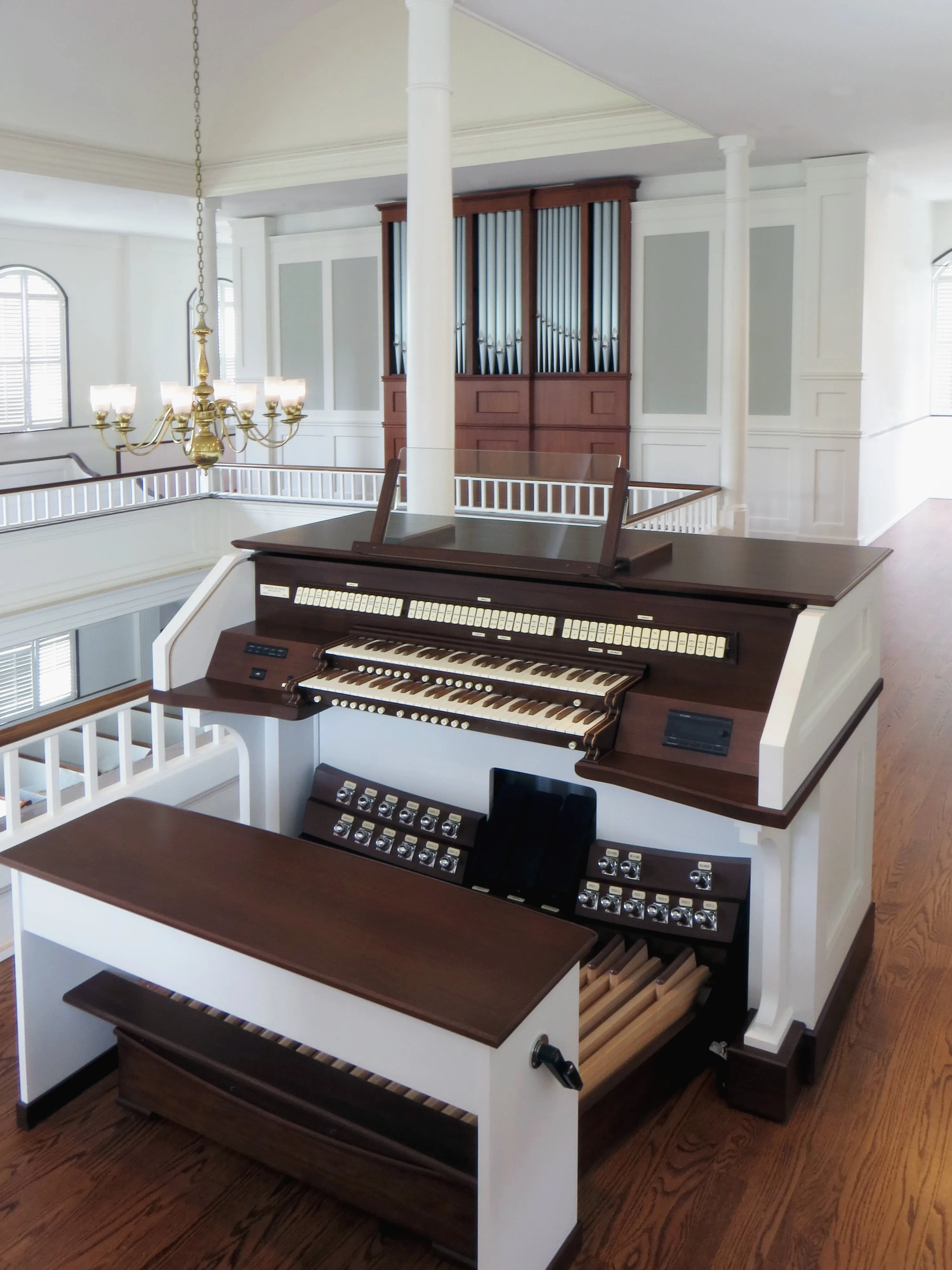
Cover Feature: Sebastian Glück Opus 24
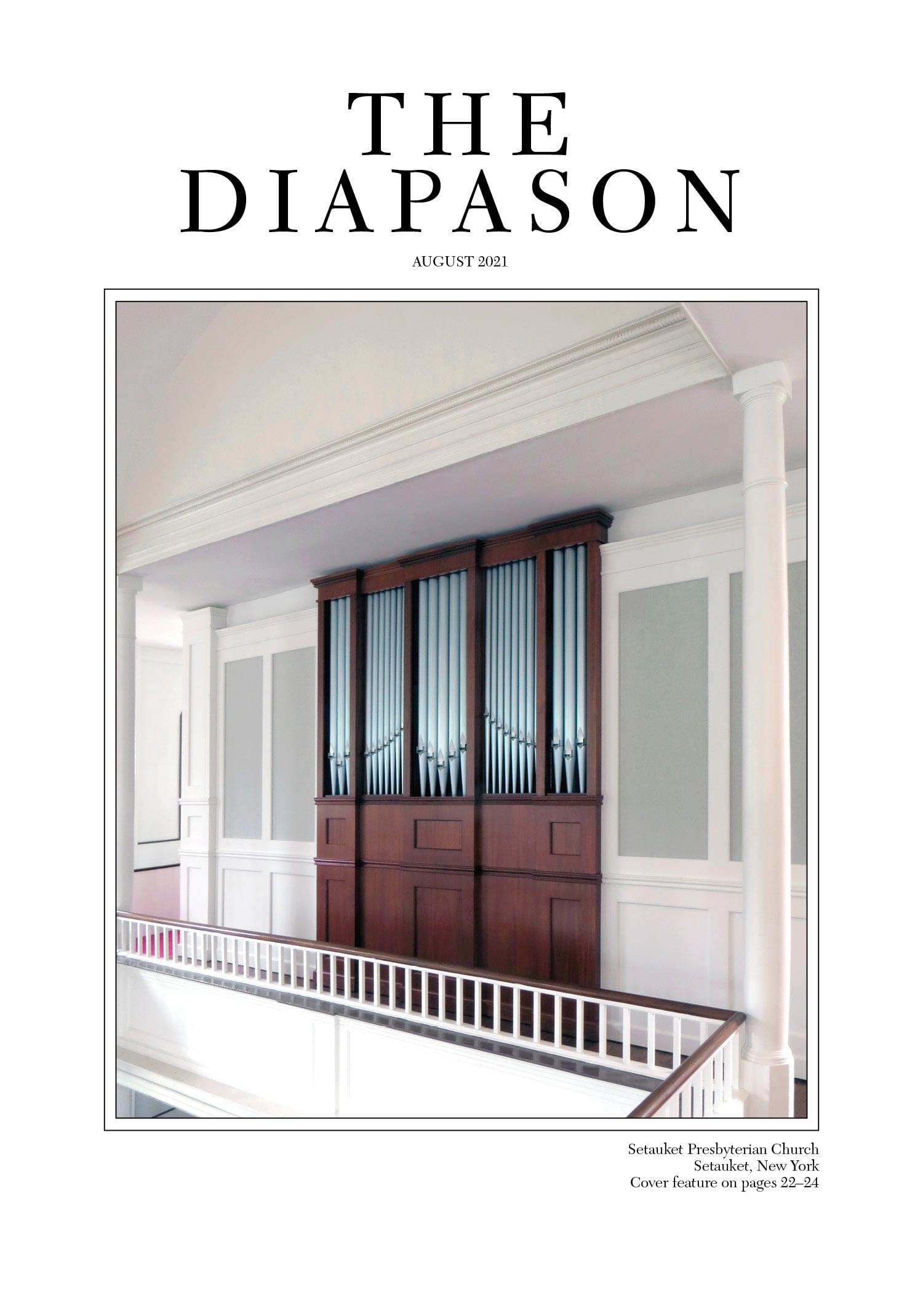
Sebastian M. Glück, Opus 24, New York, New York; Setauket Presbyterian Church, Setauket, New York

Sebastian M. Glück, Opus 24, New York, New York; Setauket Presbyterian Church, Setauket, New York
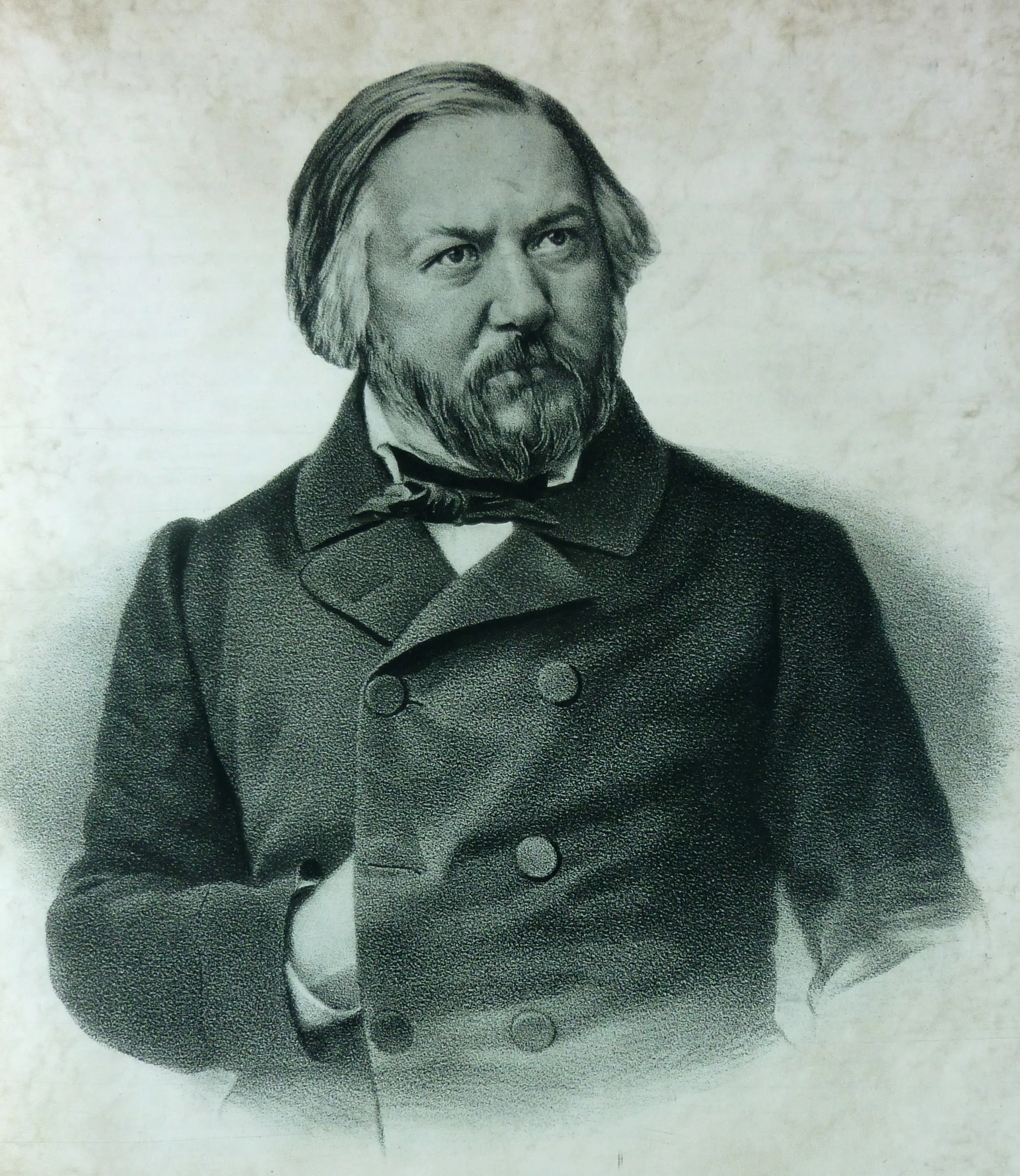
In nineteenth-century Russia, secular and sacred music had very little to do with each other, due to a separation in large part imposed by the Orthodox Church. Musicians of the West are familiar with this divorce of musical spheres, having endured a similar division in musical culture from the Middle Ages through the sixteenth century. However, there is a clear difference between the two experiences of division; this can be seen in the role of the organ.
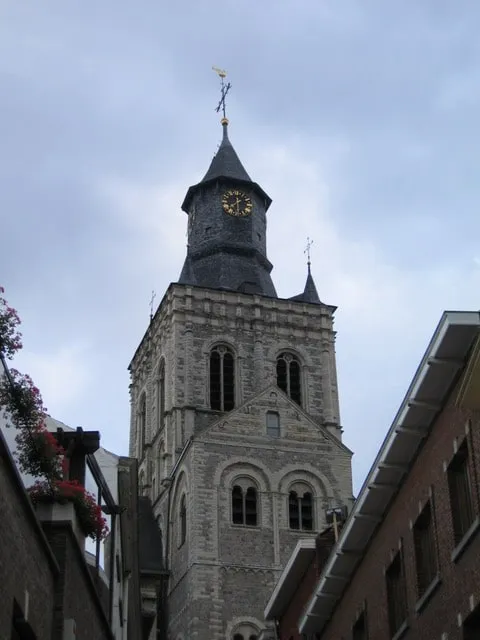
The Leuven (Belgium) Bell and Carillon Society Campanae Lovanienses organized an international contest for carillon composition and arrangement marking the 300th anniversary of the birth of organist, carillonneur, and composer Matthias Vanden Gheyn (Tienen, 1721–Leuven, 1785). There were two categories: carillon compositions inspired by the concept of cosmology and carillon arrangements of a work of the Baroque period. (See the January 2021 issue of The Diapason, pages 6–7.)
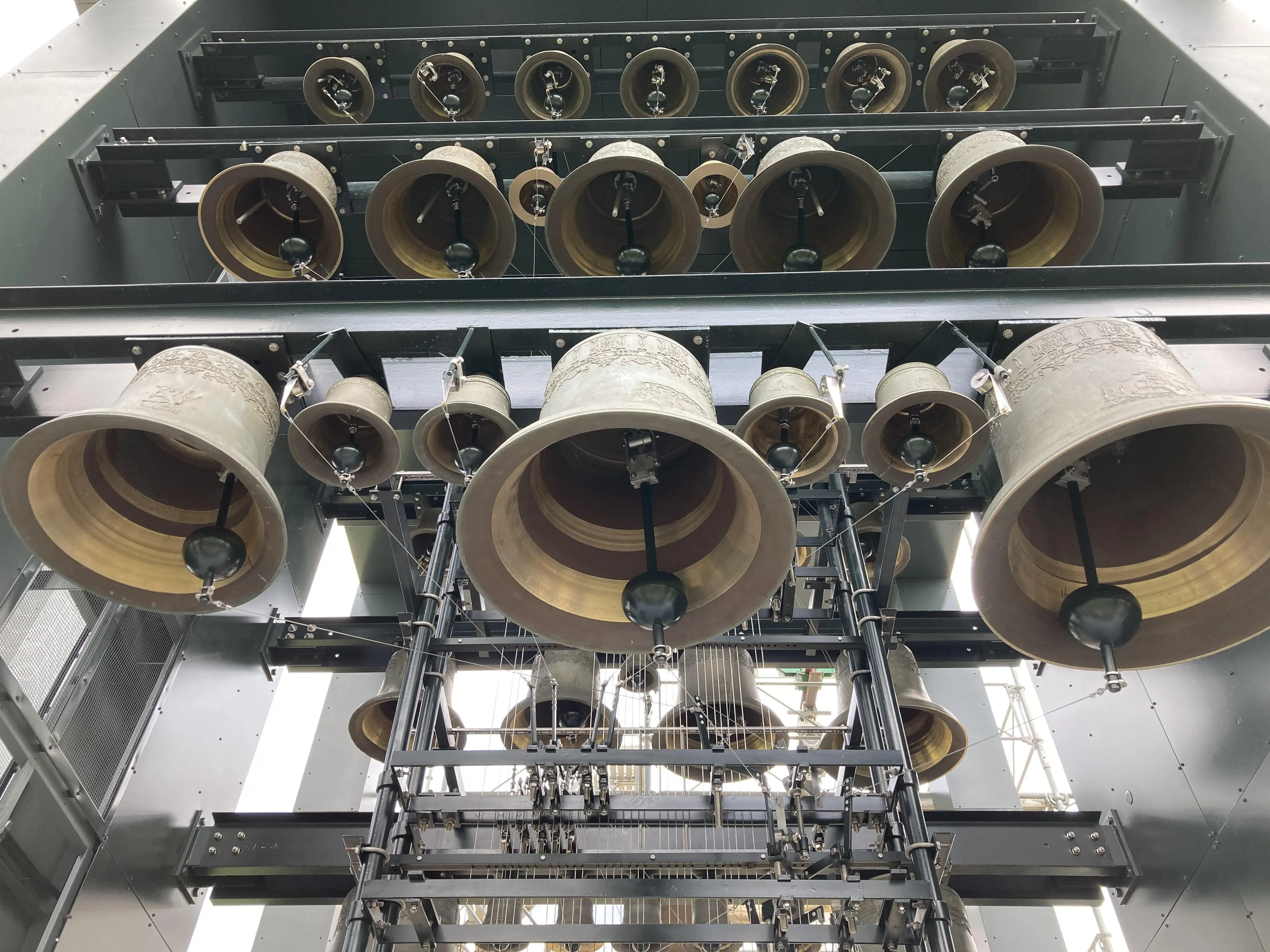
The Netherlands Carillon monument, located in Arlington, Virginia, next to the Arlington National Cemetery and Iwo Jima Memorial, was a gift from the Netherlands to the United States in gratitude for their liberation during World War II and Marshall Plan aid. A Dutch press officer, Govert Verheul, had dreamed up the idea of giving the United States a carillon at a time when the administration was searching for an appropriate present for their generous benefactor.
Archimedes (c. 287–c. 212 BC) lived in the ancient Greek capital of Syracuse, located on what is now Sicily. He was one of the great mathematicians, engineers, inventors, and astronomers of his time, even of all time. He imagined and recorded the origins of calculus and pioneered the concept of applying mathematics to physical motion, the applications of a screw, and the multiplication of pulleys and levers to allow the lifting of heavy objects. He is the source of the quote, “Give me a lever long enough and a place to stand, and I can move the earth.”